I love finding new ways to shake up classic recipes and edamame hummus is one of my favorite twists. It’s bright creamy and packs a punch of flavor that always surprises my friends at gatherings. Swapping out chickpeas for edamame gives this dip a fresh color and a little extra protein too.
Whenever I make a batch I find myself reaching for veggies and crackers just to sneak another bite. It’s simple to whip up and makes snacking feel a bit more exciting. If you’re looking for a fun way to enjoy hummus with a unique spin you’re in for a treat.
What Is Edamame Hummus?
Edamame hummus gives you a smooth, vibrant dip where edamame stands in for chickpeas. I blend cooked edamame, tahini, olive oil, lemon juice, and garlic, so you get a creamy spread with a mild, nutty flavor. Folks in Alabama and beyond usually know traditional hummus for its chickpeas, but swapping those beans for young soybeans changes the color and adds a hearty protein punch.
Most classic hummus recipes stick with chickpeas, tahini, garlic, and lemon. Edamame hummus keeps all those familiar flavors but brightens things up with a green tint and a fresh earthy taste. When I make a batch for a tailgate or family dinner, people ask what’s in that green dip, and I let ‘em know it’s edamame—just like you’d find in a sushi spot.
Restaurants, home cooks, and old friends from my dip company love this recipe’s creamy texture and fun twist. I use it for vegetable platters, pita chips, and even as a sandwich spread. Edamame hummus stands out because it brings both tradition and something new to the dip table.
Flavor Profile and Texture
Edamame hummus brings a clean, fresh taste that’s different from what most folks expect outta regular hummus. I get a light nuttiness from the edamame, and that little bit of tahini adds a smooth, roasted sesame hint. Lemon juice wakes up the whole batch, so the dip tastes bright—not heavy. Garlic pops in with a bit of zip, but it’s more mellow than sharp.
Texture feels extra important with a dip like this. When I run edamame through the food processor, it comes out creamier than chickpeas, but a touch thicker. That means my edamame hummus holds up on carrot sticks, pita chips, or thick bread, without runnin’ off or feelin’ thin. The finished dip’s got a rich green hue and stays smooth—not gritty. Every scoop gives just enough structure so your veggies or chips don’t break.
If I want a dip that stands out on a table—both in flavor and texture—edamame hummus answers every time. I use it on veggie platters, spread on sandwiches, or as a side for grilled meats when folks stop by. The mix of mild, nutty, and lemony with that creamy but sturdy texture always gets folks comin’ back for another scoop.
Key Ingredients in Edamame Hummus
When I’m whipping up edamame hummus, I reach for a handful of simple, bold ingredients that come together easy to make one mighty fine dip. Folks ask me all the time what makes this version tick, so I always tell ’em—it’s all in the mix.
Edamame Versus Chickpeas
Traditionally, hummus calls for chickpeas. I swap those out for shelled edamame beans. Edamame gives my hummus a rich green color and a smooth, nutty flavor you just can’t beat. Compared to chickpeas, edamame carries more protein and stays a bit firmer once blended, so the dip turns out nice and sturdy every time. I find this swap works perfect for folks wanting something a little different, maybe just a bit heartier than what they’d expect from a classic hummus. Edamame’s mild taste lets all those other flavors shine through, too.
Other Essential Ingredients
Every batch of my edamame hummus gets a punch from tahini. That’s a sesame seed paste—creamy and just a touch bitter. Fresh garlic goes in, bringing a mellow bite and depth. Lemon juice joins in to brighten things up, cutting through the richness with a fresh pop, while olive oil smooths the whole thing out and lays down that classic hummus mouthfeel. I like a pinch of salt to bring all the flavors in line and sometimes I toss in a hint of cumin or a sprinkle of smoked paprika if I’m feeling bold. These players always work together, so each bite brings creamy, earthy, and zesty all in one scoop.
Health Benefits of Edamame Hummus
Protein-packed, edamame hummus gives folks an easy way to add more plant-based protein to any spread—one cup of shelled edamame has about 17 grams (USDA FoodData Central). That number tops traditional chickpeas and helps keep tummies full a little longer at any get-together.
Fiber-rich, each batch packs in both soluble and insoluble fiber—think steady digestion and steady energy. I’ve seen guests grab handfuls of veggie dippers, and they don’t even realize they’re upping their fiber game; edamame clocks in at about 8 grams per cup.
Low-calorie, I use edamame hummus as a creamy swap for heavier dips, dressings, or sandwich spreads. My lighter recipes keep flavor high while trimming the calories, coming in at around 120 calories for a quarter-cup (homemade, with tahini and olive oil).
Vitamin-dense, one serving brings a little vitamin C, vitamin K, and some folate to the party. These nutrients support the immune system and help with everyday energy—something I always need while making big dip platters.
Heart-healthy fats, thanks to tahini and olive oil, bring in unsaturated fats that support good cholesterol. Olive oil and sesame in tahini not only smooth out the dip but give a heart-healthy boost to each scoop.
Antioxidant content, coming mainly from soybeans, adds another reason I serve edamame hummus at my table. I find the green color does more than stand out—it hints at those plant compounds that help support the body’s defenses.
Here’s a quick table with the good stuff you get from a classic serving of edamame hummus:
| Nutrient | Amount (per 1 cup cooked edamame) | Main Function |
|---|---|---|
| Protein | 17g | Muscle support, fullness |
| Fiber | 8g | Digestion, steady energy |
| Calories | ~120 (per 1/4 cup dip) | Lighter fat/protein energy |
| Vitamin C | 13mg | Immune support |
| Vitamin K | 41.4mcg | Blood clotting, bone strength |
| Folate | 241mcg | Cell health, energy |
| Healthy Fats | From tahini/olive oil | Heart wellness |
| Antioxidants | Soy isoflavones | Body defenses |
Anytime I set out a bowl of this dip, I know I’m not just serving flavor—I’m serving up a big bite of nutrition with every scoop.
Serving Suggestions and Pairings
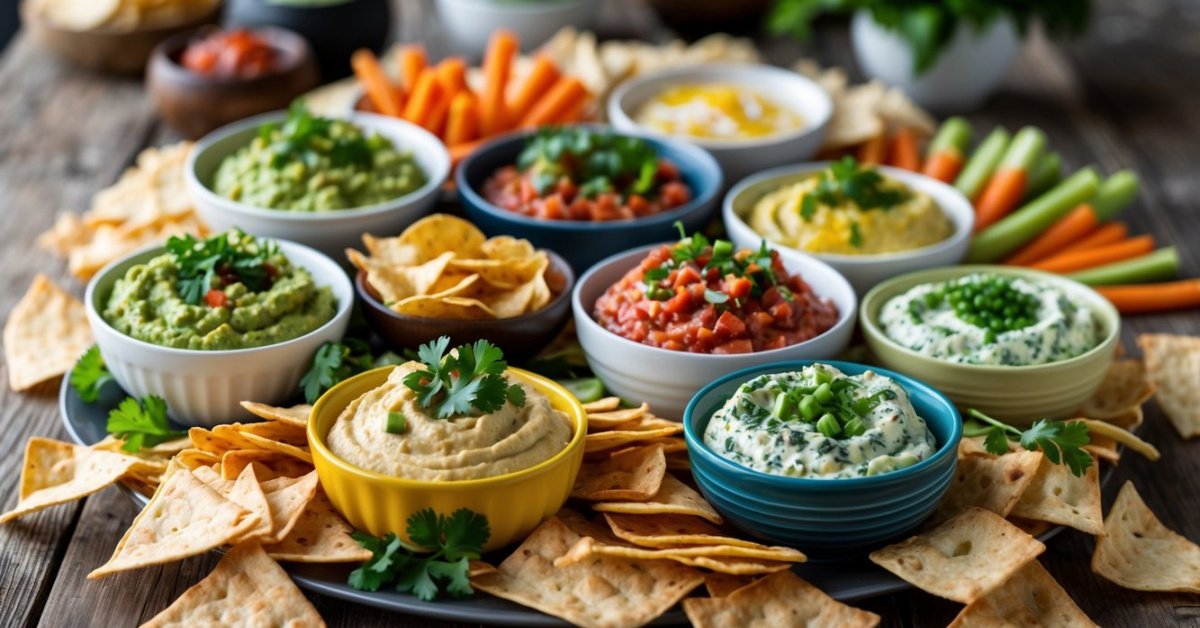
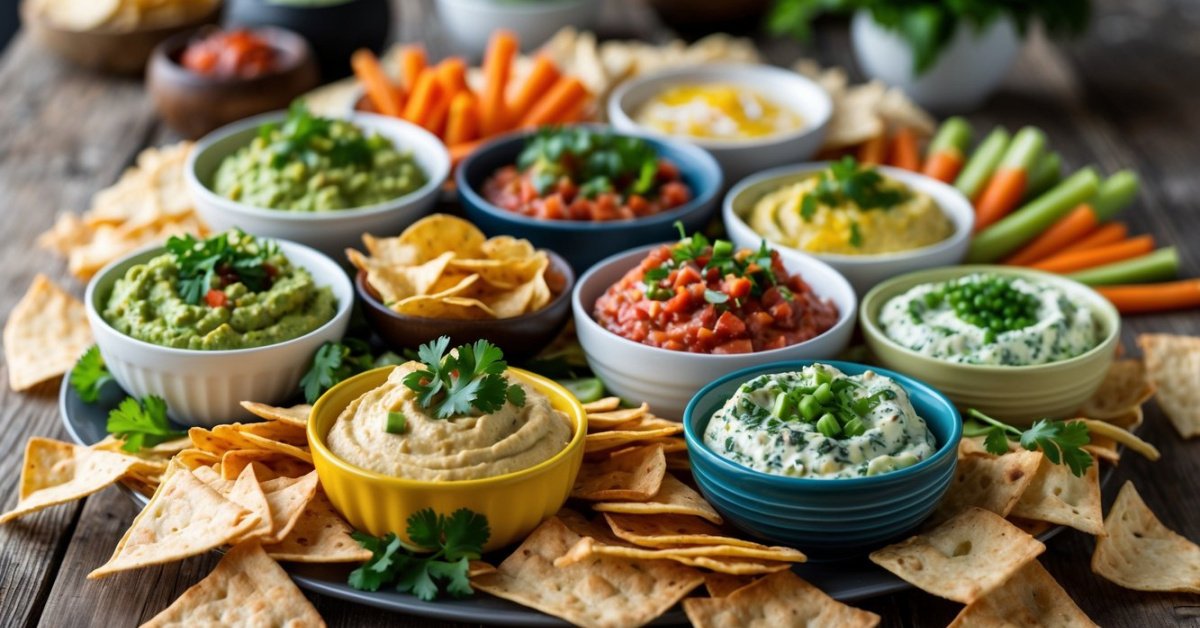
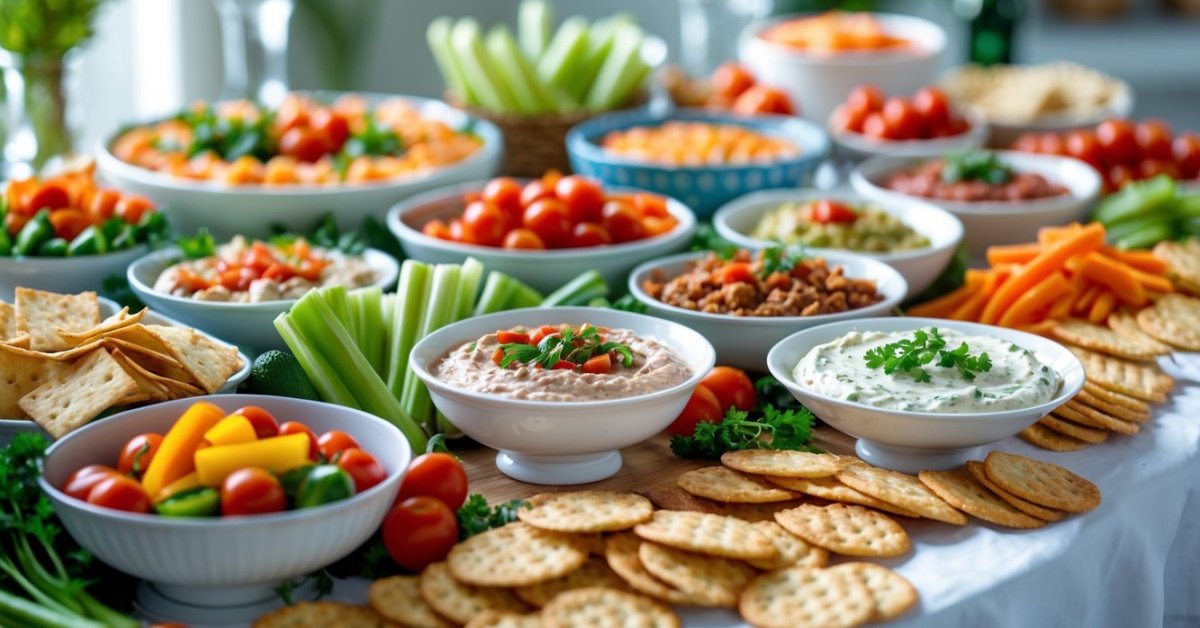
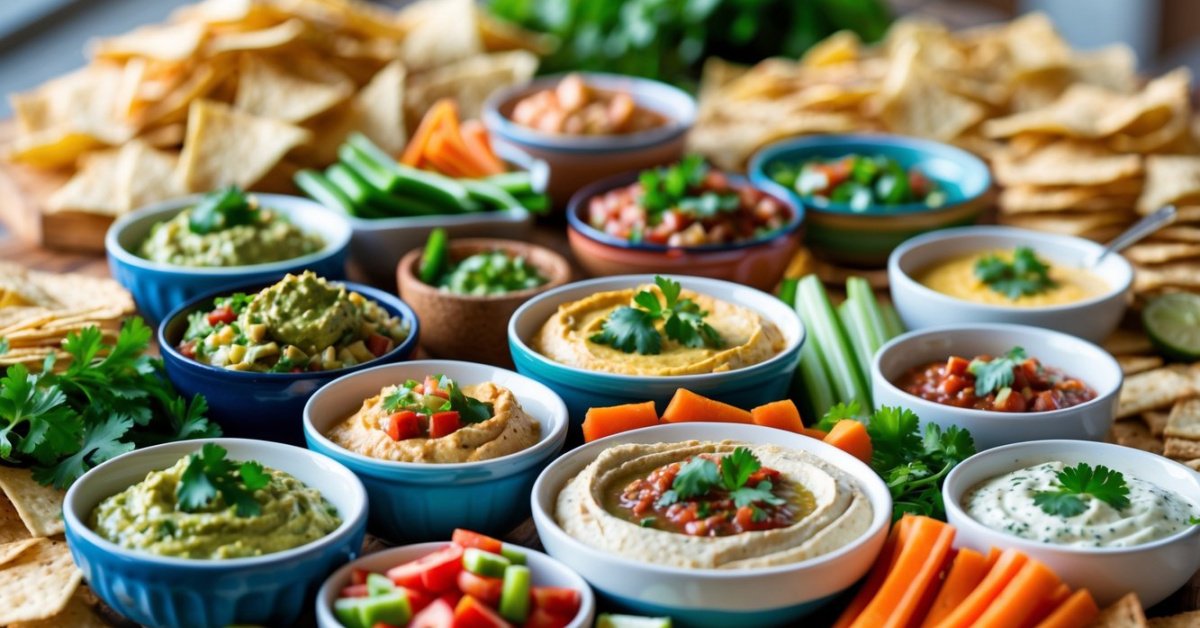
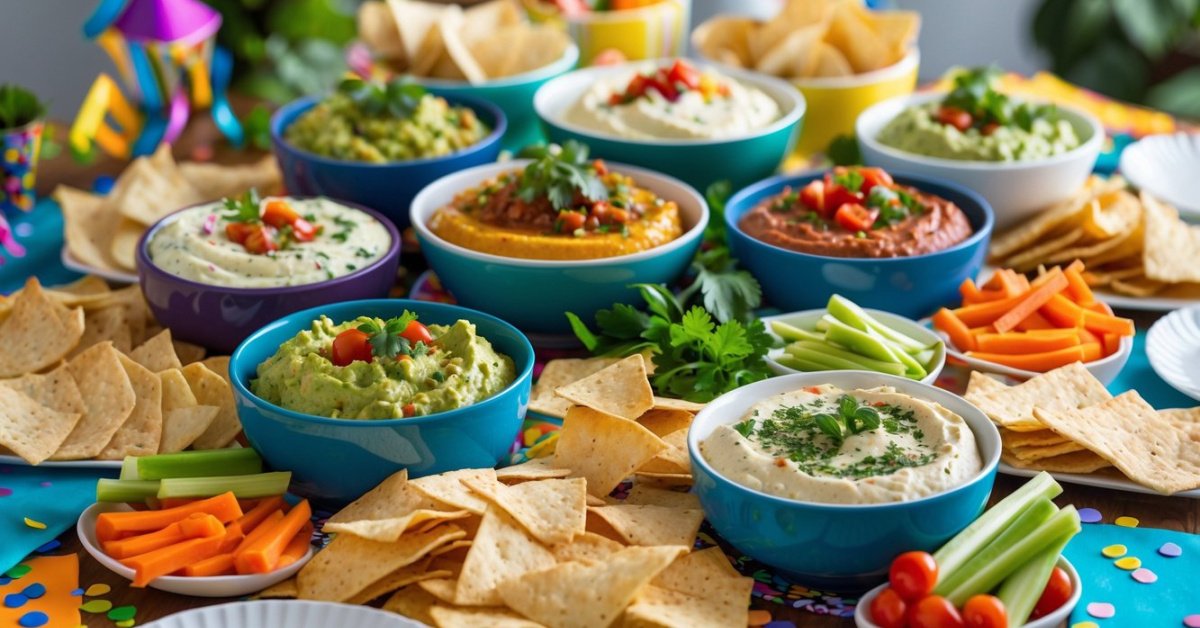
I always set out my edamame hummus smack dab in the middle of a veggie board. Folks grab carrot sticks, cucumber slices, bell pepper strips, and cherry tomatoes—that green hummus stands out every time. I like to throw in some sugar snap peas and radishes too. Crunchy veggies and creamy dips, that’s a hard combo to beat.
I scoop my hummus with warm pita wedges, pita chips, or toasted baguette rounds for parties. Crackers with some heft—like seedy multigrain—make a fine base. Corn chips or even pretzel thins work for game day spreads.
I spread this hummus on sandwiches and wraps in place of mayo or mustard. Turkey, grilled chicken, roasted veggies, or fresh avocado all taste mighty good when you lay ’em on a thick swipe of edamame hummus. Bagel halves topped with the stuff and a slice of tomato make a quick lunch I go back to.
I pair this dip with grilled meats like chicken skewers or shrimp, especially when I’ve got a backyard cookout going. Folks dip and pass the plate across the table—it’s a hit with barbecue. For a lighter meal, I dollop edamame hummus alongside grain bowls or salads. Farro, brown rice, or quinoa soak up those flavors.
I finish off party trays with extras like marinated olives, cubes of feta, or pickled vegetables. That salty and tangy mix with the earthy hummus keeps the tastebuds happy.
| Serving Idea | Recommended Dippers & Pairings | Context |
|---|---|---|
| Veggie Platter | Carrot, cucumber, bell pepper, snap peas, radish | Snack, appetizers |
| Bread & Chips | Pita wedges, pita chips, baguette, multigrain crackers | Parties, gatherings |
| Sandwiches & Wraps | Turkey, chicken, veggies, avocado, bagels | Lunch, quick meals |
| Grilled Meats | Chicken skewers, shrimp, BBQ meats | Cookouts, main dish |
| Grain Bowls & Salads | Farro, brown rice, quinoa | Light meals, sides |
| Party Tray Extras | Olives, feta cheese, pickled veggies | Entertaining |
I recommend using edamame hummus wherever you’d spread a classic hummus. Its mild flavor adapts to any occasion, from football Saturday snacking to Sunday suppers on the porch.
Pros and Cons of Edamame Hummus
Pros
- Packed nutrition
Edamame hummus brings a heavy dose of plant protein and fiber per scoop, with about 17 grams of protein and 8 grams of fiber in a cup. Protein and fiber help folks feel full and keep the party rolling longer.
- Fresh color and flavor
The green hue from the edamame pops on a veggie tray, and the taste lands somewhere between clean, nutty, and earthy. I’ve watched folks reach for it over the usual tan dips.
- Versatile usage
I serve edamame hummus with carrot sticks, pita chips, and bell peppers at gatherings, but I also slap it on my sandwiches, mix it in grain bowls, or use it as a creamy base on wraps.
- Allergy friendly
This dip doesn’t have any dairy or gluten when prepared with basic ingredients, making it a safer pick for friends who need something allergen-conscious.
- Simple ingredients
You’ll find mostly pantry staples in the mix: edamame, tahini, lemon juice, olive oil, and garlic. It doesn’t call for anything you can’t find at a decent grocery store.
Cons
- Distinct bean flavor
Some folks prefer the milder taste of chickpeas, and if someone doesn’t love soybeans, edamame’s earthiness stands out more.
- Texture difference
Edamame provides more thickness than most store-bought chickpea hummus. It’s not always as silky, especially if you skip blending long enough or add light on the oil.
- Availability
I keep frozen shelled edamame in my freezer, but a few grocery stores, especially smaller ones, don’t always stock it. That can slow down the dip-making.
- Soy allergy risk
People with soy allergies can’t have edamame hummus. Soy counts as one of the top allergens for a reason.
- Traditional flavor expectations
If someone expects the usual garlic-forward, chickpea-rich hummus, this version might not hit the mark for them.
| Factor | Pros | Cons |
|---|---|---|
| Nutrition | High protein, high fiber | |
| Visual appeal | Vibrant green, stands out | |
| Versatility | Dips, spreads, bowls, sandwiches | |
| Allergens | Dairy-free, gluten-free (when homemade) | Contains soy, unsuitable for soy allergies |
| Ingredients | Simple, easy to find (at big stores) | Edamame not always available everywhere |
| Texture | Thick, creamy | Sometimes denser than traditional hummus |
| Flavor | Clean, nutty, earthy | Stronger bean flavor than chickpea hummus |
Conclusion
Whenever I want to shake up my snack routine or impress friends with something a little different edamame hummus is my go-to. Its vibrant color and fresh flavor always bring a fun twist to the table whether I’m hosting a party or just craving a healthy dip.
I love how easy it is to customize and pair with all kinds of dippers and sides. If you haven’t tried making it yet I think you’ll be pleasantly surprised by just how tasty and versatile this simple recipe can be.