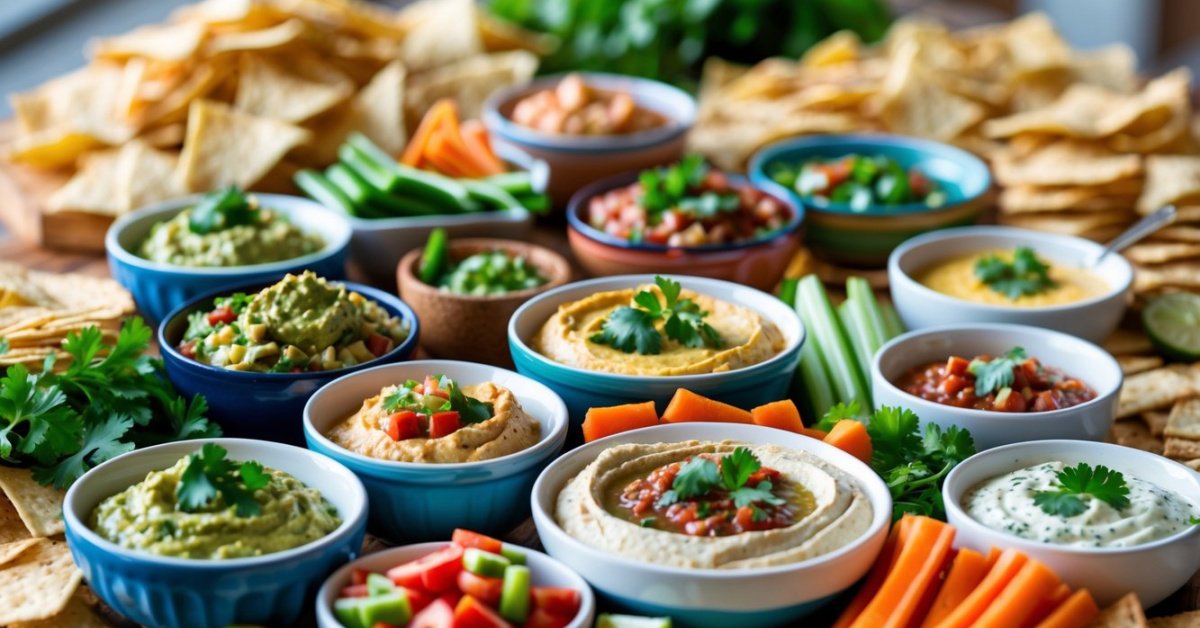
Whenever I’m craving a snack that’s both creamy and packed with flavor, roasted red pepper hummus always comes to mind. It’s one of those dips that instantly brightens up any table with its vibrant color and irresistible taste. Whether I’m spreading it on warm pita or scooping it up with fresh veggies, it never fails to hit the spot.
Making roasted red pepper hummus at home is a breeze and lets me control the flavors just the way I like them. I love how the smoky sweetness of roasted peppers blends with the earthy richness of chickpeas. It’s a simple twist on classic hummus that keeps everyone coming back for more.
What Is Roasted Red Pepper Hummus?
Roasted red pepper hummus takes smooth chickpeas, tahini, lemon juice, garlic, and olive oil, then blends them up with bold, smoky roasted red peppers. That roasted flavor sets it apart from regular hummus—gives the dip a sweet, deep taste I can’t get enough of. Folks in Alabama ask me what gives roasted red pepper hummus that color; it’s really just those roasted red peppers doing their job, turning the dip a lively shade of orange-red.
Most homemade recipes use canned chickpeas for ease, though classic versions start with dried. My old dip company always leaned into fresh-roasted peppers, not jarred. Their skin gets blistered over open flame or in the oven, which brings out extra sweetness and that hard-to-beat smokiness. Drop those in the food processor, add the usual hummus ingredients, and you’ve got a crowd-pleasing dip with a twist people remember.
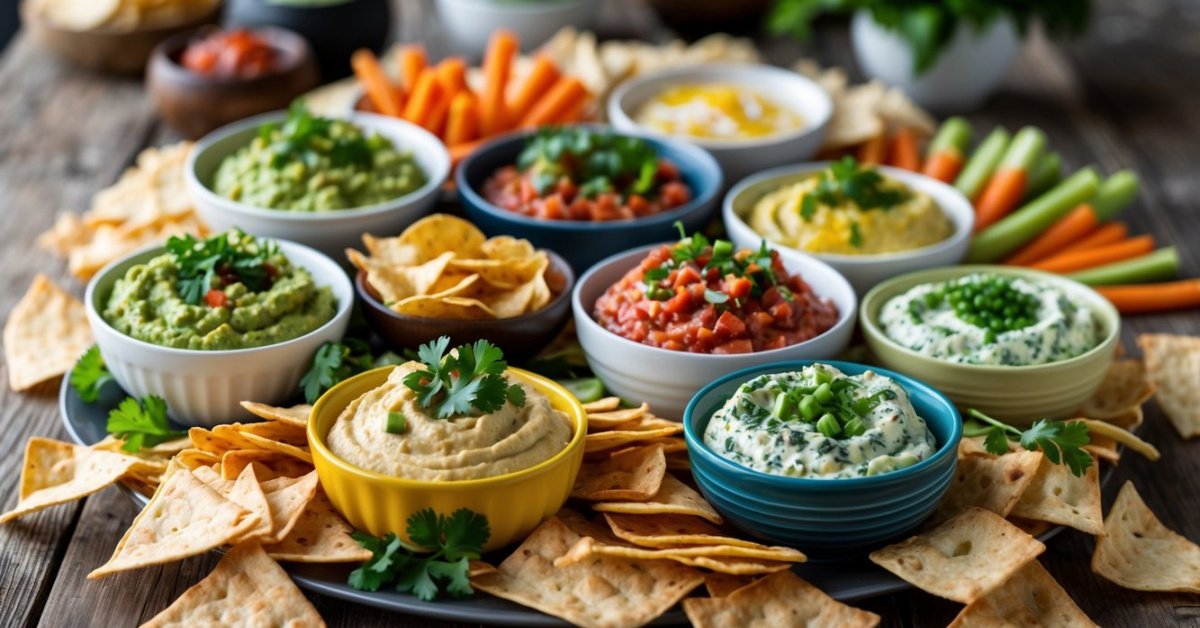
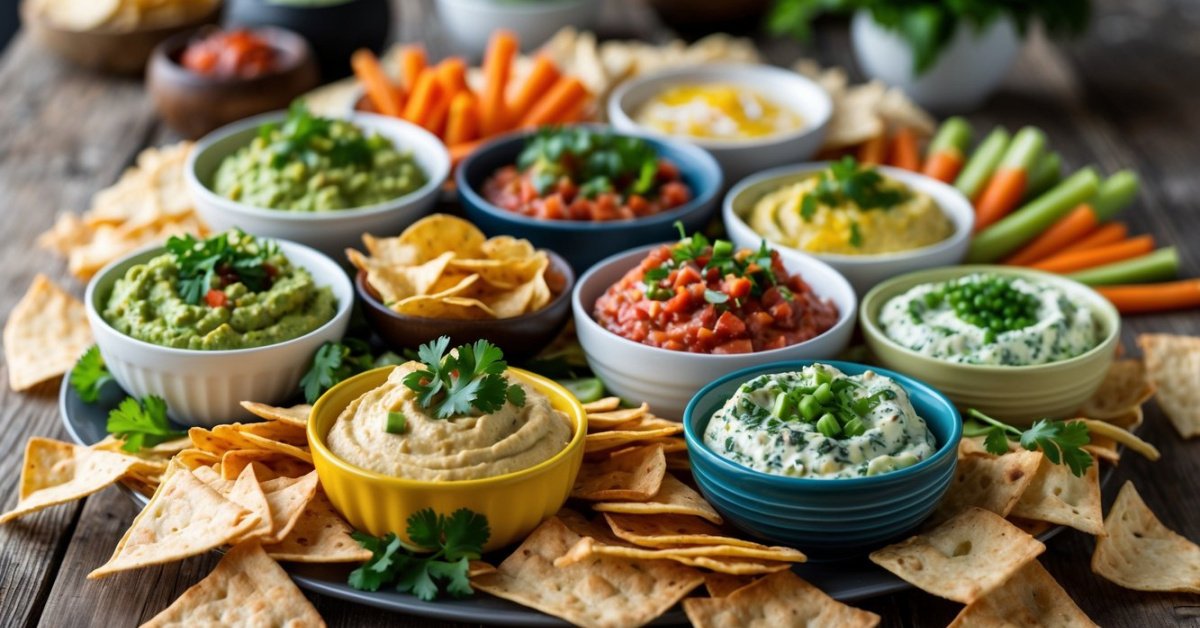
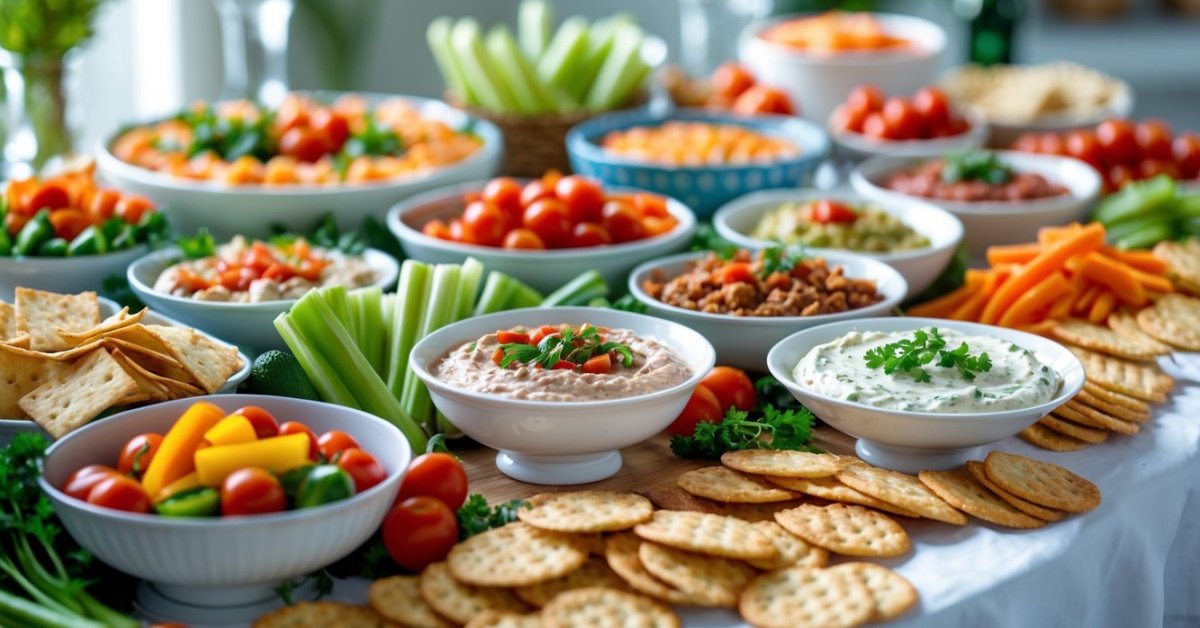
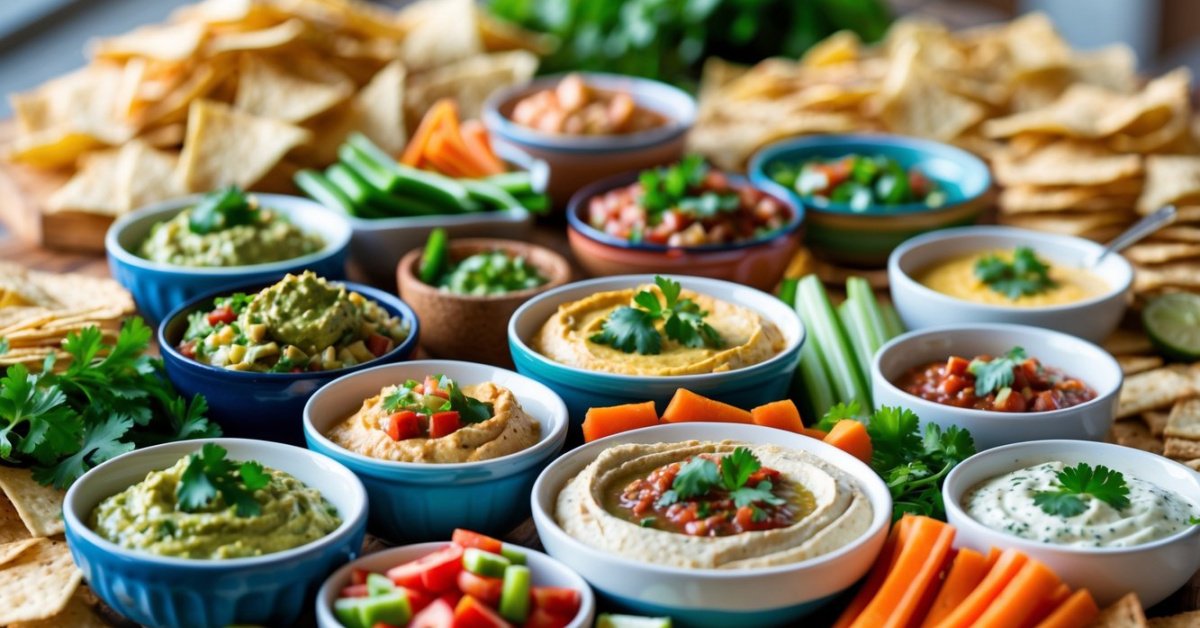
Roasted red pepper hummus goes great with pita chips, celery sticks, carrot coins, or crackers—whatever you’ve got handy. Dip fans love that it works for cookouts, lunchboxes, or party tables. I think about it as a Southern staple now, even though its roots come from the Middle East. This dip’s creamy texture and little kick keep folks reaching for more every single time.
Taste and Texture
Every bite of my roasted red pepper hummus packs a full, creamy flavor, with smokiness from those peppers I char myself over an open flame. My hummus spreads like silk, never stiff or grainy, and that smoothness comes from slow-blending chickpeas with just the right amount of tahini and good olive oil.
First taste hits sweet and savory at once, thanks to the peppers and fresh garlic. Second wave brings in the deep, toasty notes from the roasting—what I call Southern campfire richness—paired with a little tart kick from fresh lemon juice. After that, you get a mellow, nutty undertone from tahini and a clean finish that invites another scoop.
Texture runs thick enough to hug a celery stick but loose enough to glide over pita chips without breaking ’em. I’ve tweaked the blend over years; folks at my old shop always commented on how each dip stuck just right on carrot rounds or those thick-cut crackers you find at Southern potlucks.
Here’s how it breaks down:
| Aspect | Description | Example Applications |
|---|---|---|
| Flavor | Smoky, sweet, with tang from lemon and bite of garlic | Topping grilled chicken, spread for wraps |
| Texture | Creamy, smooth, slightly fluffy | Dip for pita, spread on toast |
| Finish | Savory, little nutty, hint of pepper’s char | Sauce for roasted veggies |
My roasted red pepper hummus stands out at any table for its bold flavor and ultra-creamy texture—a combo my Alabama customers, and family, still ask for by name.
Ingredients and Nutritional Value
Roasted red pepper hummus packs a punch with both flavor and nutrition. Every batch I make starts with fresh, bold ingredients and gives you a tasty dip that’s easy on your waistline.
Key Ingredients
- Chickpeas: I use about 15 ounces of canned chickpeas, rinsed and drained, for that creamy body.
- Roasted Red Peppers: I roast two large red bell peppers right on the grill till the skin’s just charred, then peel and chop ’em. Store-bought roasted peppers work if I’m in a hurry, but home-roasted gets deeper flavor.
- Tahini: A quarter cup of tahini (that’s sesame seed paste) adds richness.
- Garlic: I toss in two big cloves, peeled and smashed.
- Lemon Juice: Two tablespoons of fresh-squeezed lemon juice brighten the flavor.
- Olive Oil: Two tablespoons go right in the mix and I drizzle a bit more over the top for serving.
- Salt and Cumin: I add a half teaspoon of kosher salt and a bit of ground cumin for warm, earthy notes.
Nutrition Facts
Roasted red pepper hummus keeps things light while giving you plenty of protein and fiber per serving. Here’s a breakdown for an average 2 tablespoon (30g) scoop:
| Nutrition | Amount per 2 tbsp (30g) |
|---|---|
| Calories | 60 |
| Total Fat | 3g |
| Saturated Fat | 0g |
| Protein | 2g |
| Total Carbohydrate | 6g |
| Fiber | 2g |
| Sugar | 1g |
| Sodium | 70mg |
Every serving gives you plant-based protein from chickpeas, heart-healthy fats from olive oil, and vitamin C from sweet roasted peppers. I keep my recipe vegan and gluten-free, so it fits pretty much any table, whether folks are watching their calories or just wanting some honest-to-goodness good eats.
How to Serve Roasted Red Pepper Hummus
I like to put my roasted red pepper hummus front and center on any snack table. It’s creamy, bold, and works with just about anything, so folks tend to dig in quick.
Serving Suggestions
Spread my roasted red pepper hummus on a wide, shallow plate to let the color shine. Swirl it smooth with the back of a spoon. Drizzle a little olive oil over the top, then toss on some roasted pepper strips, toasted pine nuts, or fresh parsley to dress it up.
I serve this hummus cold or at room temp. Pile it in a bowl for family movie nights, use it as a sturdy base layer in wraps for picnics, or slather it on bread for easy toast bites. I fill lunchboxes with small cups of hummus paired with cucumber rounds and carrot sticks.
Pairing Ideas
Lay out pita chips, warm naan bread, or fresh-cut veggies like bell peppers, snap peas, and radishes—these all hold up to a thick scoop of hummus.
Set roasted red pepper hummus next to grilled chicken skewers, falafel, or shrimp for hearty appetizers. Folks at my parties always swipe it onto burgers instead of mayo, or use it as a creamy sauce on grain bowls full of rice, quinoa, and chopped greens.
Mix and match classics with Southern mainstays, like hushpuppies or fried green tomatoes if you’re feeling bold. My hummus bridges Middle Eastern flavors with down-home tastes every time I serve it.
Store-Bought vs. Homemade
Folks ask me all the time if store-bought roasted red pepper hummus compares to what I whip up in my Alabama kitchen. After running my own dip business, I’ve tasted ’em all.
Popular Store Brands
Grocery shelves carry brands like Sabra, Cedar’s, and Boar’s Head for roasted red pepper hummus. Most brands go for consistency—same texture, sweet red pepper flavor, smooth blend every tub. Store-bought hummus saves time when you’re in a pinch, and it spreads easy on crackers or celery. Many brands add a touch of vinegar or citric acid for longer shelf life, which can sometimes create a tang that’s a little different from fresh. Sabra often comes packed with a swirl of roasted pepper purée on top. Cedar’s tends to be a tad chunkier. Boar’s Head pushes their recipe toward a smoky side. You’ll spot these at most supermarkets in containers ranging from 8 to 32 ounces.
| Brand | Texture | Distinct Flavor Notes | Pack Sizes (oz) |
|---|---|---|---|
| Sabra | Ultra-smooth | Sweet, tangy | 10, 17, 32 |
| Cedar’s | Thicker, chunkier | Robust pepper, lemon | 8, 16 |
| Boar’s Head | Creamy, dense | Smoky, rich | 10 |
Making It at Home
Making roasted red pepper hummus at home lets me control the flavor, the texture, and the ingredients—no preservatives needed. I roast fresh bell peppers over my gas range until they blister, then steam ‘em in a bowl, peel off the skin, and toss ‘em in. I toss these with chickpeas, tahini, lemon juice, garlic, olive oil, and a pinch of cumin. My homemade batch comes out creamier and a bit bolder than store-bought hummus since I can balance the smokiness and sweetness just how I like it. When I owned my dip company, I learned folks loved those little flecks of real pepper and that fresh-roasted flavor you just won’t find in a mass-produced tub. I blend mine until it’s silky but still a little thick—perfect for dunking sturdy veggies or scooping up with a warm pita. Adjusting the salt, garlic, or spice is easy, and I get to use Alabama-grown peppers for an extra-local touch. Homemade hummus makes a difference when you want a real showstopper for your next gathering or just a snack that tastes genuine.
Pros and Cons
Pros
- Big flavor payoff: Roasted red pepper hummus packs layers of sweet, smoky, and tangy flavors, with roasted peppers and lemon juice making each bite sing.
- Versatile serving: I serve this dip with pita chips, raw veggies, spread on sandwiches, or dolloped on grain bowls for a punch of flavor in any meal.
- Health benefits: Each batch brings protein from chickpeas, heart-healthy fats from olive oil and tahini, and vitamin C from the peppers.
- Dietary friendly: It’s vegan and gluten-free, so I can put this bowl out for just about any crowd, from my vegan cousin to my gluten-sensitive neighbors.
- Customizable: I adjust spices, acidity, or garlic in my recipe, since homemade always means control—no guessing about salt or additives.
- Crowd-pleaser: At my parties and markets, folks always return for seconds because the color and creamy texture catch the eye and keep you dipping.
- Shorter shelf life: Fresh homemade hummus lasts only about 3–5 days refrigerated, compared to store-bought, which keeps longer because of preservatives.
- Hands-on prep: Roasting and peeling red peppers takes extra time, so when I’m in a rush, it’s a slower dip to whip up.
- Requires equipment: You’ll want a food processor or blender for the creamy texture—hand-mashing doesn’t get it as smooth.
- Cost of ingredients: High-quality tahini and fresh peppers aren’t cheap in some places, so homemade can cost more than a tub from the store.
- Flavor differences: Folks used to store versions (like Sabra or Cedar’s) might find mine bolder or less sweet—it’s not quite the same as factory-made.
Conclusion
Roasted red pepper hummus has truly earned its spot in my kitchen and at my gatherings. There’s something special about the way it brightens up any table and brings people together. I love how easy it is to tweak the flavors to suit my mood or the occasion.
If you haven’t tried making it yourself yet don’t be intimidated—it’s simpler than it seems and the payoff is worth every step. Give it a shot and let your taste buds decide just how much homemade beats store-bought.