Whenever I want to add a little excitement to my snacks or meals I reach for Japanese wasabi dip. There’s something about that sharp kick and creamy texture that wakes up my taste buds and keeps me coming back for more. It’s not just about heat—it’s about the perfect balance of flavors that make every bite unforgettable.
I love how this dip can turn even the simplest dish into something special. Whether I’m hosting friends or just treating myself it’s my go-to for adding a bold twist. Exploring the world of wasabi dip always brings a little adventure to my table and I can’t wait to share why it’s become one of my favorites.
What Is Japanese Wasabi Dip?
Japanese wasabi dip is a zesty, creamy blend that’s real popular for its punchy kick and smooth finish. I mix real wasabi paste with mayo, sour cream, or cream cheese—sometimes all three—to get that bold, cool flavor folks love to scoop up. Wasabi comes from the rhizome of the Wasabia japonica plant, and it gives this dip its unmistakable heat—think clean and sharp instead of fiery, like you get with chili peppers.
Most folks know wasabi from sushi bars, but this dip brings it home with a mellow richness that’s good with chips, veggie sticks, seafood, or fried snacks. I whip up batches for parties, cookouts, and tailgates, since the dip pairs just as well with southern fried chicken as it does with shrimp tempura. It pulls double duty—refreshing and spicy all in one bite.
I’ve tinkered with the recipe over the years at my dip company, always chasing the right mix of wasabi warmth and creamy backbone. Authentic Japanese wasabi dip stays cool and smooth, flavors the whole mouth, and finishes clean. That’s how I like it and that’s the style that keeps folks dipping for more.
Key Ingredients Of Japanese Wasabi Dip
Fresh Wasabi Paste
I settle every batch with real wasabi paste from Wasabia japonica root when I find it, not the horseradish kind you see at most stores. This root cranks up the clean heat, not a sting like chili peppers. Most tubes labeled “wasabi” outside Japan use horseradish, mustard, or artificial coloring, so I always check that label before buying.
Creamy Base
I keep the dip smooth and rich with mayo, sour cream, or cream cheese. For my go-to blend, I mix equal parts mayo and sour cream. This combo balances the heat and gives a velvety finish. Full fat products add more heft and flavor, especially when I’m bringing out the zip of fresh wasabi.
Soy Sauce
I splash in just a bit of soy sauce—usually Kikkoman—to hit that salty, umami note that ties the flavors together. It’s easy to overdo, so I start light and adjust to taste. Some folks use low-sodium brands to cut salt.
Acidic Touch
I brighten the dip with rice vinegar or a squeeze of fresh lemon juice. Just a teaspoon is enough to make the flavors pop. Without this tang, the dip would settle too heavy on the tongue.
Sweet Element
I add a dash of sugar or a squirt of honey. This little touch smooths out the wasabi’s edge, keeping the dip balanced instead of overwhelming.
Optional Add-Ins
I chop fresh chives, green onions, or try grated ginger when I’m looking for extra zing. These extras punch up both flavor and color, especially for party platters or when I want the dip to stand out.
| Ingredient | Purpose | Notes |
|---|---|---|
| Wasabi paste | Clean heat | Fresh root or high-quality paste preferred |
| Mayo/Sour Cream/Cream Cheese | Creamy base | Full fat for richer result |
| Soy sauce | Salty, umami depth | Use sparingly, adjust to taste |
| Rice vinegar/Lemon juice | Brightness, acid | 1 tsp usually enough |
| Sugar/Honey | Balances heat | Use a pinch |
| Chives/Green onion/Ginger | Extra flavor/color | Optional, for garnish or added zing |
Flavor Profile And Texture
Japanese wasabi dip brings a sharp bite, kinda like a spark that gets your taste buds’ attention fast. I get a clean, sinus-clearing heat with real wasabi paste—different from the slow burn of chili peppers I put in other Southern dips. That heat jumps right out, but it doesn’t linger or overpower, so you taste every layer on the end of your chip or veggie stick.
Creaminess sets this dip apart from regular wasabi. I blend in mayo and sour cream ’til it’s silky smooth, so every scoop’s rich and plenty dippable. That creamy base cools off the wasabi just enough to let the other flavors shine, like a splash of soy sauce or a smidge of honey. I keep it velvety, not runny, so it holds its own on a carrot stick or fried chicken bite.
Bright notes pop through from rice vinegar or lemon juice—the kinda tang that wakes up the whole dip. When I add green onions or chives, there’s a fresh crunch on top of that creamy kick. Texture stays balanced: thick enough to cling to anything you dip, but never heavy.
In every batch of my Japanese wasabi dip, I aim for a flavor ride—first the creamy tang, next that clean wasabi pop, then a hint of sweet and savory shut it down smooth. That combo’s what keeps folks reaching for seconds.
How To Use Japanese Wasabi Dip
Japanese wasabi dip brings a kick to the table no matter how you serve it. I’ve used it at gatherings, weeknight suppers, and quiet weekends at home—works every time.
Pairing With Sushi And Sashimi
Pairing Japanese wasabi dip with sushi and sashimi gives raw or cooked fish an extra boost. I set a small bowl right beside maki rolls, nigiri, and pieces of sashimi-grade tuna or salmon. Folks dunk pieces in the dip, then swipe them through soy sauce for a layered flavor. My customers loved it with tempura shrimp rolls and even simple cucumber maki, which lets that creamy wasabi heat shine through.
Incorporating In Snacks And Appetizers
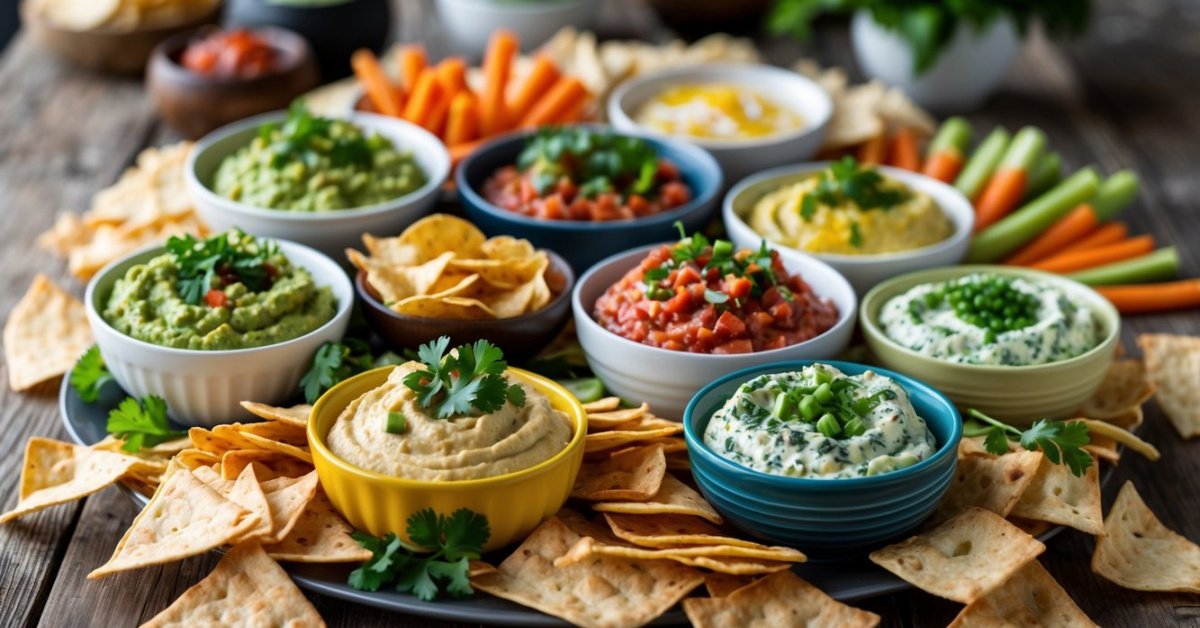
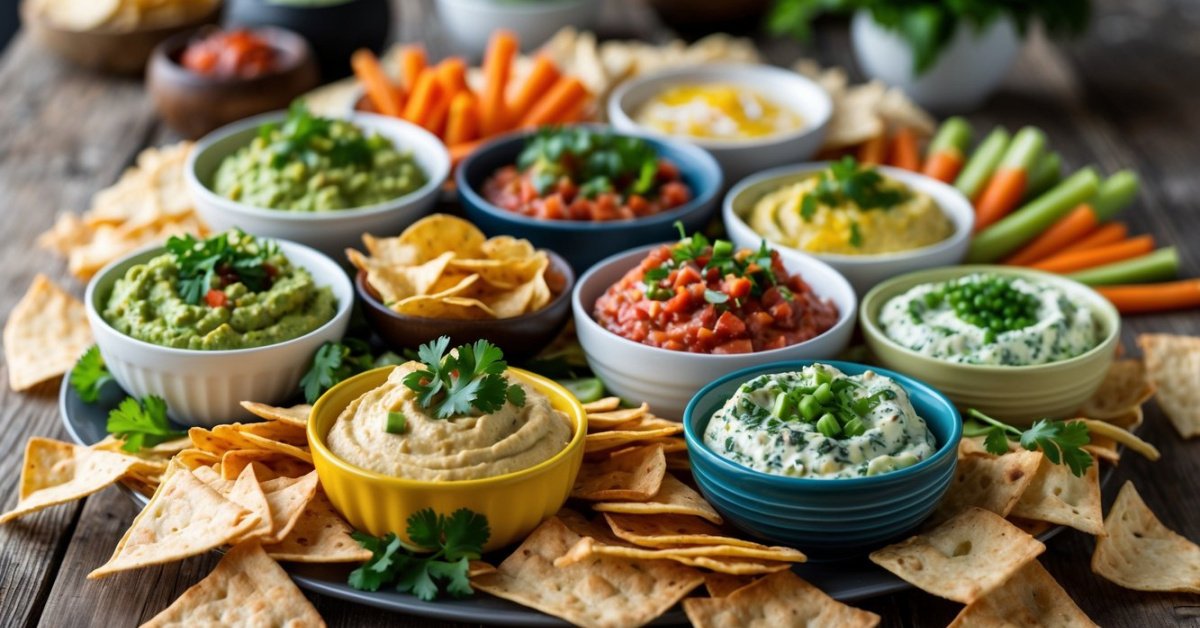
Incorporating Japanese wasabi dip in snacks and appetizers gives the familiar a fresh twist. I scoop this dip into a bowl for raw veggies—carrot sticks, bell peppers, and cucumber slices get snapped up first. Bagel chips, toasted wontons, and fried chicken bites all taste better dunked in wasabi dip. Spread a dollop on top of deviled eggs or miniature slider buns and you’ll see faces light up.
Fusion Recipes And Creative Ideas
Making fusion recipes with wasabi dip lets me get creative in the kitchen. I’ve swirled it into mashed potatoes for steak night and drizzled it over grilled veggies at cookouts. Guests rave when I use it as a sauce for fried catfish or baked wings—Japanese southern at its finest. I’ve even mixed it with ranch for a heat-lovin’ salad dressing or spooned it over poke bowls packed with rice and avocado. Every time, I see empty plates and requests for the recipe.
Store-Bought Vs. Homemade Japanese Wasabi Dip
Store-bought Japanese wasabi dip gives folks a way to grab a quick flavor punch for snacks or sushi nights. Most brands blend horseradish with mustard and green food coloring, calling it wasabi. These tubs sit in the fridge aisle near salsas and ranch, coming in from brands like Kikkoman or S&B. Texture tends to be thick but a little gummy, and the flavor hits fast with a sharp bite but doesn’t last. Sodium content runs high, and you might find stabilizers or shelf-life boosters in the fine print.
Homemade Japanese wasabi dip lets me layer flavor the way I like. I use fresh wasabi paste if I can get my hands on some, or I pick a premium horseradish blend for backup. Mixing real wasabi with rich mayo, sour cream, and a splash of soy sauce gives the dip a creamy feel and cleaner, brighter heat. I balance that burn with a squirt of lemon or rice vinegar and a drop of honey. When I make it at home, I can throw in extras—green onions, ginger shavings, or even roasted sesame seeds—for a twist that matches the crowd or the meal.
Differences pop out when I lay them side by side at a party. Homemade dip grabs tasters with real wasabi heat and a creamy finish, while store-bought hits quicker and fades faster. Shelf versions bring convenience, but making it at home means I control every note and texture, giving me a dip that folks talk about after the plates are cleared.
Pros And Cons Of Japanese Wasabi Dip
Pros
- Packs Real Flavor: My Japanese wasabi dip brings a bold, fresh heat that perks up anything from veggies to fried chicken. Folks who like a little kick in their spread find this dip hits the spot.
- Plays Well At Parties: I’ve watched hands reach for this dip at Alabama tailgates and backyard gatherings. It grabs folks’ attention and keeps ’em talking.
- Versatile As a Toolbox: I use it as a chip dip, a sushi topping, a slider sauce, and even swirled through creamy mashed potatoes. I haven’t seen many dips pull off that kind of range.
- Sits Pretty With Other Flavors: Creamy base holds its own but doesn’t drown out smoky barbecue, fried seafood, or roasted veggies. Fresh wasabi keeps things interesting on the palate.
- Can Be Pricey: Real wasabi root sets you back way more than mustard or ranch. Most store-bought “wasabi” dips only use horseradish, not the real deal from Wasabia japonica.
- Packs Heat, Not For Everyone: Not every guest wants the clean, nose-tingling spice wasabi brings. Some folks find it too strong, especially kids or those who avoid spicy foods.
- Has a Short Shelf Life: Homemade versions with fresh wasabi and dairy last only a couple of days in the fridge. That means making it fresh each time, which takes extra effort.
- Needs Specialty Shopping: Getting real wasabi paste down here in Alabama’s tricky. Local stores rarely carry the roots or imported paste, so most home cooks settle for tubes mixed with horseradish.
| Pros | Cons |
|---|---|
| Packs real, bold flavor | Real wasabi can be pricey |
| Great for parties and events | Heat level isn’t for everyone |
| Extremely versatile use cases | Short homemade fridge life |
| Pairs well with many foods | Hard to find real wasabi locally |
Conclusion
Japanese wasabi dip has a way of surprising people with its bold yet balanced flavors. I love how it brings a little adventure to the table whether I’m sharing it at a party or just treating myself to a snack.
If you’ve never tried making your own wasabi dip at home I encourage you to give it a shot. It’s a small effort that pays off with every creamy spicy bite. For anyone who loves exploring new flavors this dip is truly a must-try.