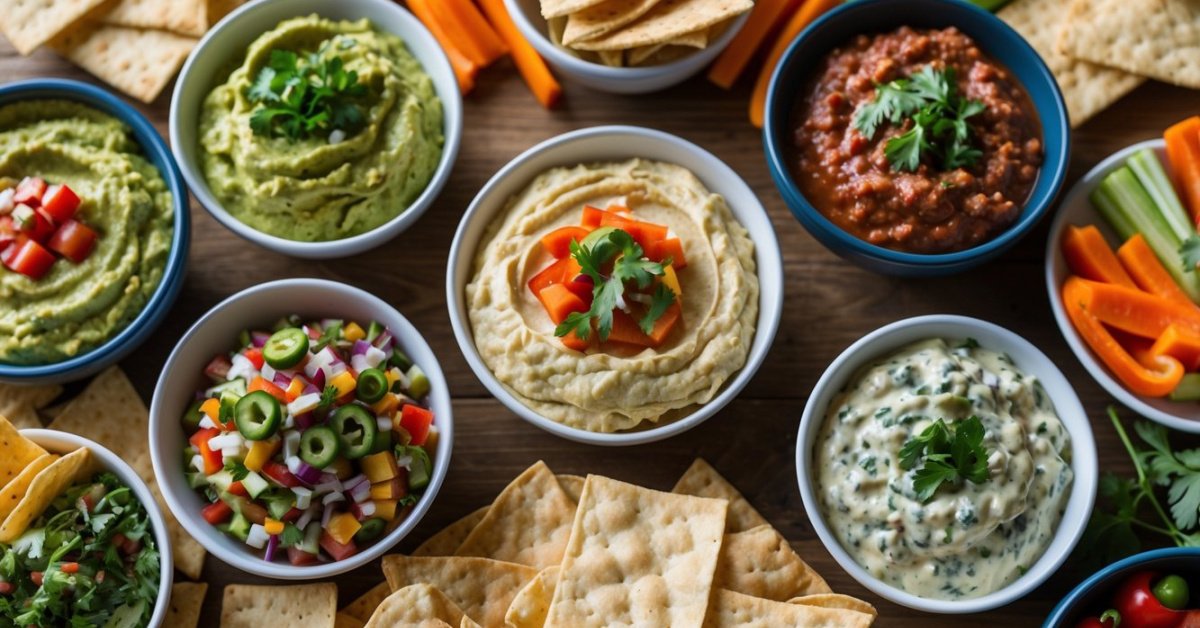
Whenever I think about bold flavors and creamy textures, Thai peanut sauce instantly comes to mind. There’s just something magical about the way it brings together sweet, salty, and a hint of spice in every spoonful. I can never resist dipping fresh veggies or grilled chicken into this rich and nutty sauce.
Making Thai peanut sauce at home always feels like a treat. It’s surprisingly simple and fills my kitchen with the most amazing aroma. Whether I’m hosting friends or just craving a quick snack, this dip always finds a way onto my table.
What Is Thai Peanut Sauce Dip?
Thai peanut sauce dip packs a punch of rich, nutty flavor from roasted peanuts, coconut milk, and a dash of savory soy sauce. I blend in red curry paste, brown sugar, and a good squeeze of lime juice to balance sweetness with heat. Folks might spot this dip next to satay chicken skewers, crisp fresh veggies like cucumber or bell pepper, or spring rolls at a party spread. When I ran my dip company, requests for my Thai peanut sauce came in faster than orders for ranch or salsa.
Making it at home lets me control the texture—sometimes I leave it chunky, sometimes I whirl it until silky smooth. The color leans tan from the peanut butter, with specks of chili or cilantro showing up if I feel like dressing it up. Plenty of home cooks love this Thai-inspired dip thanks to its big flavor and do-it-all attitude. Dip lovers try it with shrimp, tofu bites, or drizzle it over noodle salads for an easy, crowd-pleasing upgrade.
Key Ingredients And Flavors
Thai peanut sauce dip pulls in deep roasted notes and a mellow sweetness. I like whipping it up for the bold balance it brings—never subtle, always talking back.
Core Ingredients
- Roasted peanuts or peanut butter
I grab creamy or chunky peanut butter—the roasted kind, always—to get a rich, nutty backbone.
- Coconut milk
I pour in coconut milk for a silky, smooth base and just enough tropical roundness.
- Soy sauce
I use soy sauce for salty heat. I’ve noticed a low-sodium version keeps things from running away salty.
- Red curry paste
I add a little (about a tablespoon per cup of peanut butter) for gentle spice and color.
- Brown sugar
I toss in brown sugar to balance the savory with a molasses hint.
- Lime juice
I squeeze in fresh lime juice to give a pop of sharp, citrus bite.
- Garlic and ginger
I grate in fresh garlic and ginger for warmth and depth that hang on every bite.
Flavor Profile
Thai peanut sauce dip lands sweet, savory, and spicy all at once. I get creamy richness from peanut butter, a subtle sweetness from coconut and sugar, and layered heat from red curry and ginger. It’s got just enough salt and sour from soy sauce and lime to wake up those flavors. Folks at my tasting tables always talk about the deep, roasted nuttiness and the punchy tang that makes this dip a star at parties or with something simple as celery sticks.
Homemade Vs. Store-Bought Thai Peanut Sauce Dip
I get asked all the time if homemade’s really better or if good store-bought Thai peanut sauce dip’ll do in a pinch. Let me walk y’all through the pros and cons, then share some store-bought picks that folks come back to time and again.
Pros And Cons Of Homemade
- Flavor control
I taste every batch when I make mine from scratch, tweaking sweet, salty, or spicy till it hits just right. Store dips, for example, tend to play it safer for the biggest crowd.
- Texture variety
I pick whether I want chunky roasted peanuts or a silky swipe. Most store varieties, like House of Tsang, lean smooth to please more folks.
- Ingredient selection
I know my peanut butter, soy sauce, and lime juice are fresh. Bottled dips, for example, often use stabilizers or extra sugar for shelf life.
- Time and prep
I whip mine up in about 10 minutes if I’ve got everything on hand. Store dips, though, stay ready in the fridge or pantry with zero mess.
Store-Bought Options To Consider
- House of Tsang Peanut Sauce
I see this one in most big supermarkets around the Southeast. Creamy, mild, and pairs up easy with chicken skewers or grilled veggies.
- Annie Chun’s Thai-Style Peanut Sauce
I find the flavor here a notch nuttier and a touch sweeter. It’s good for drizzling over salads or noodles.
- Whole Foods 365 Thai Peanut Sauce
This one’s my go-to when I’m stocking up for game days. Clean label, not too spicy, and works for most diets.
- Sky Valley Organic Thai Peanut Sauce
I reach for this if friends want organic or gluten-free. The texture’s pourable, and it packs a mild tang from lime.
| Brand/Option | Texture | Notable Features | Best Use |
|---|---|---|---|
| House of Tsang | Smooth | Mild, supermarket staple | Chicken skewers, veggies |
| Annie Chun’s | Creamy/Nutty | Sweet, strong peanut | Salads, noodles |
| Whole Foods 365 | Balanced | Clean label, mild | Versatile party dip |
| Sky Valley Organic | Pourable | Organic, gluten-free | Health-focused platters |
Taste Test And Texture Review
Taste stands front and center with any good dip, and Thai peanut sauce always grabs folks’ attention. When I give this sauce a try, both the aroma and mouthfeel jump out first before that big, bold flavor lands.
Aroma And Taste
Aroma greets you right away with warm roasted peanuts, creamy coconut, and spicy red curry wafting up. I catch hints of lime and ginger—sharp and fresh. First taste? That nutty depth hits, then sweetness from brown sugar and a gentle tang from lime juice. There’s salty soy, rich coconut notes, and a soft heat that lingers at the end. Every bite balances sweet, salty, spicy, and tangy, with nothing overpowering the next. I find it always wakes up taste buds, even when served with plain steamed veggies or chicken.
Consistency And Versatility
Consistency’s key for a dip, and with Thai peanut sauce, I control that right from my kitchen. Mine turns out silky and pourable if I add extra coconut milk, or thicker for dipping spring rolls if I hold some back. You’ll spot a glossy tan color with tiny flecks—maybe chili or cilantro when I get fancy. This texture lets the sauce cling to tender meats, veggies, or even crisp shrimp chips. Folks use it for dipping, drizzling, or even stirring into noodle salads. With every batch, I tweak thickness for what I’m serving—thicker for skewers like satay, thinner to drizzle over bowls. That makes this dip a chameleon on any snack tray or dinner table.
Best Ways To Enjoy Thai Peanut Sauce Dip
I’ve fixed up Thai peanut sauce dip every which way, and it fits right into just about any snack spread or meal. This stuff’s got that balance of sweet, salty, and just a wink of heat, so you can count on guests crowding around for another bite.
Classic Pairings
Chicken skewers show off the rich, nutty flavor of Thai peanut sauce, especially when grilling puts a little char on the meat. Raw veggies—like carrot sticks, bell pepper strips, and sugar snap peas—get yanked right off the platter with a dunk in peanut dip. Spring rolls, whether shrimp or veggie, turn into a meal when you drag them through this sauce. Fried tofu cubes, simple and crisp, pick up every drop.
Creative Serving Suggestions
Drizzle this dip over noodles and toss it with leftover grilled pork for a quick salad. Use Thai peanut sauce as a burger topping—slather it over a grilled chicken sandwich and add fresh slaw. Swap out pizza sauce for a swipe of peanut dip, then top with cooked chicken, chopped peanuts, and green onions. Load up warm roasted sweet potatoes with a spoon of peanut sauce and a handful of fresh cilantro. Mix a spoonful with plain yogurt and bottled lime juice, then use it as a creamy slaw dressing for pulled pork tacos or sliders.
Conclusion
Thai peanut sauce dip never fails to bring a little excitement to my table. Its unique blend of flavors and creamy texture always earns compliments from friends and family.
Whether I’m whipping up a batch for a party or just treating myself to a tasty snack it’s always a hit. If you haven’t tried making it at home yet give it a shot—you’ll be surprised by how easy and rewarding it is.