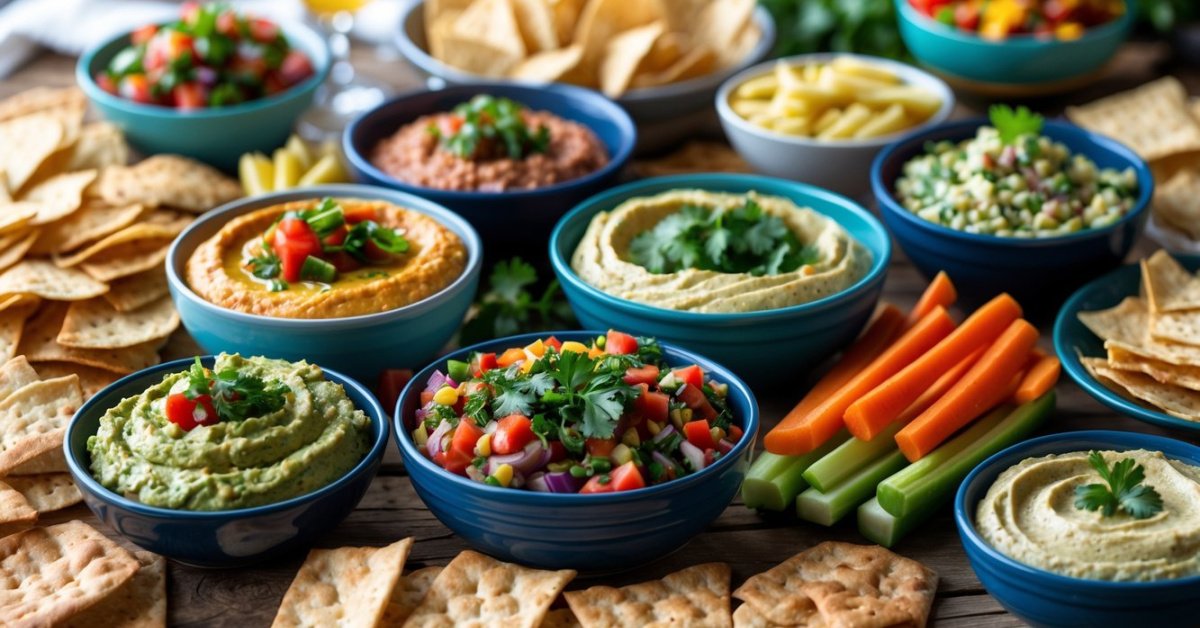
Whenever I crave something bold and comforting, I find myself reaching for Greek skordalia. This creamy dip packs a punch of garlic and transforms the simplest ingredients into a flavorful delight. With just a few pantry staples, skordalia turns any meal into a celebration.
I love how this dip brings people together around the table. Whether I’m spreading it on warm bread or serving it alongside grilled veggies, skordalia always steals the show. There’s just something about its rich texture and zesty kick that keeps everyone coming back for more.
What Is Greek Skordalia Dip?
Greek Skordalia dip packs a wallop of garlic and smooth potato into one bowl—it’s got roots deep in Greek home kitchens. I take mashed potatoes, blend ’em with raw garlic, and spike that with lemon juice, olive oil, and sometimes a touch of vinegar or almonds. This ain’t your store-bought ranch; it’s thick, hearty, and bold, made for scoopin’ with fresh bread or dunkin’ grilled veggies. Folks in Greece use it to add punch to fried fish or greens. I love that Skordalia’s texture stays creamy but not runny, thanks to all those potatoes. Garlic rides front and center, so if you’re into dips that speak up, this one won’t let you down. In my dip company days, people called this the show-stopper at every taste test, and it’s still one of my favorites when I’m serving a crowd at home.
Ingredients and Traditional Preparation
Skordalia’s punchy flavor owes everything to simple pantry ingredients and the method I use. When folks ask how I get mine so creamy and bold, I always point ’em right back to choosing the right base and using plenty of fresh garlic.
Key Ingredients in Skordalia
- Potatoes: I use russet or Yukon Gold potatoes for the creamy body. Sometimes folks swap in stale bread, but potatoes keep it classic in my kitchen.
- Garlic: Fresh cloves, peeled and smashed, give skordalia its signature heat. I use five or six average cloves for a medium bowl, but there’s no such thing as too much garlic here.
- Olive Oil: Good extra virgin olive oil smooths out the mash. About 1/3 cup per pound of potatoes gives the dip that glossy finish.
- Lemon Juice: Fresh-squeezed lemon juice adds the right tart kick and keeps the flavors sharp.
- Vinegar: Some Greek cooks add a splash of red or white wine vinegar for extra tang. I go light—a tablespoon or two’s enough.
- Salt: Kosher salt, added to taste, brings everything together.
- Almonds or Walnuts (Optional): Ground almonds or walnuts, blended in, offer an earthy nutty texture. About a quarter cup per batch if I want some crunch.
How Skordalia Is Traditionally Made
I always start by boiling peeled potatoes till they’re fork-tender, usually 20-25 minutes for two medium potatoes. While they’re hot, I mash ’em by hand or run ’em through a ricer right into a big bowl. Then I add chopped, raw garlic and a generous pinch of salt.
Next, I drizzle in olive oil as I mash, followed by lemon juice and a splash of vinegar, tasting after each addition. For a nuttier dip, I toss in ground almonds or walnuts now. Final step: I beat everything together till silky and thick, adding olive oil till I see that shine.
Once it’s smooth, I move the skordalia to a serving bowl and let it rest at room temp. That gives it time for the flavors to mellow and marry, making it perfect for dipping bread, veggies or spooning over fried fish—just like they serve it in Greece and just like I serve it at my table in Alabama.
Taste and Texture Profile
I get asked all the time what makes Greek skordalia’s taste and texture stand out from other dips. Skordalia hits you right away with a bold garlicky punch straight from the fresh cloves I mash in. You’ll notice a mellow tang too, coming from the lemon juice and sometimes a touch of vinegar—think of the zing you get from homemade pickles, just softer. Every bite packs a cozy, earthy undertone thanks to those warm Yukon Gold or russet potatoes layered through the mix.
I’d call the texture hearty—thicker than hummus, not quite as tight as mashed potatoes. When I dip in, that creamy spread almost hugs the bread or veggie. It keeps itself together on a spoon, scoops easy with pita, and smooths over grilled veggies without dripping. Adding a good olive oil gives the whole dip a silky sheen and helps everything hold together just right.
Skordalia’s no wallflower—it’s gutsy enough for a party platter but soft enough to blend into your spread without overwhelming everything else on the table. I always notice how that smooth blend of garlic, tangy citrus, and potato makes folks go back for seconds. You’ll get hints of nuttiness if you toss in ground almonds like they do up in northern Greece. Every bite stays fluffy, thick, and full-flavored even after sitting out with the snacks for a while.
If you’re a fan of dips that grab your attention and linger just a bit, this one’s in a league of its own. Skordalia’s texture and bursting garlic taste always have folks talking after they try it, and that’s exactly how I like it.
Serving Suggestions and Pairings
I serve Greek skordalia dip with thick slices of crusty country bread, but pita wedges get the job done too. Fresh bread lets that creamy garlic punch really come through. Folks at my table always grab the warm bread first, sometimes even before the plates hit the table.
I pile skordalia on grilled or roasted vegetables. Charred zucchini, crispy eggplant, or bell pepper strips—all those soak up the dip’s bold flavor real nice. I’ve also seen folks dip boiled potatoes, green beans, or even raw carrots and cucumbers, and that tangy garlic bite still shines.
Fried seafood is a Skordalia classic in Greece. I spoon it next to battered cod or shrimp and watch folks light up after the first bite. Any flaky white fish, like tilapia or catfish (especially down here in Alabama), fits right in. Fried fish and skordalia together always take me back to my days running the dip business.
Meze platters look better with skordalia in the mix. Olives, feta, sliced tomatoes, roasted peppers, and pickles all play off that creamy garlic base. When I do a Greek spread, I always squeeze in a bowl of skordalia to keep things lively.
Leftover roast chicken, lamb kebabs, or steak slices get a lift with a dollop of this dip. I’ve even seen folks toss it onto salad bowls as a zesty dressing. That potato base makes it stick, so every bite packs flavor.
For drinks, I go with bold reds like Syrah, a crisp Assyrtiko, or even ouzo when the crowd likes something traditional. Tangy and garlicky dips pair up with big flavors real well.
Skordalia’s hearty, punchy nature gives a boost to anything simple, and it holds its own next to party favorites like hummus, tzatziki, and baba ganoush. I use it as a centerpiece on my dip tables whenever folks want something new but deeply flavorful.
Variations of Skordalia Dip
Different base ingredients put a spin on classic skordalia dip. Folks in Greece swap out potatoes for bread, swapping in day-old country bread soaked and squeezed dry, then blended with garlic, olive oil, and vinegar. That version tastes milder and turns out even silkier—my Memphis buddy loves it with catfish.
Crunchy nuts change up the flavor profile. Almonds pop up in northern Greece; sometimes I toss in walnuts for extra depth. Nuts give the dip a heartier finish and just a hint of sweetness. When almonds go in, I cut back on the oil for balance.
Vinegars and citrus offer room to play. Some families stick with wine vinegar for tartness, while others lean heavy on fresh lemon juice. At my old company, we’d sometimes blend in a little white balsamic for a rounder tang.
Roasted garlic flips the script. Most folks make skordalia with raw garlic for sharpness, but slow-roasting garlic gives it a mellow, rich taste. For guests sensitive to heat, I mix in both raw and roasted cloves. That keeps the skordalia bold but toned down.
I see folks toss in different herbs too. Chopped parsley or dill folded right in gives a fresh burst and looks pretty against the creamy base. Olive tapenade or capers stirred in add briny punch—my trick for serving skordalia with roasted veggies.
Texture tweaks pop up all the time. Some home cooks in Greece whip it till ultra-smooth; others, like me, leave it a little chunkier for bite. Adding a dollop of Greek yogurt smooths it out and brings a little tang, especially good when fresh tomatoes land on the table.
Table of Skordalia Variations:
| Variation | Base Ingredients | Notable Additions | Texture | Regional Examples |
|---|---|---|---|---|
| Bread-based | Country bread, garlic | Vinegar, olive oil | Silky | Greek mainland, Athens |
| Almond or nut | Potatoes or bread, almonds | Walnuts, less oil | Hearty | Northern Greece |
| Roasted garlic | Potatoes, roasted garlic | Raw & roasted mix | Smooth | Custom/home variation |
| Yogurt-enriched | Potatoes, Greek yogurt | Lemon juice | Silky | Home kitchens, restaurants |
| Herb-infused | Any base, fresh herbs | Parsley, dill | Chunky | Variable |
| Briny add-ins | Any base, tapenade/capers | Olives, capers | Chunky | Meze platters |
Every skordalia dip I’ve put out on the table sparks a story from someone. That’s the beauty of this Greek classic: every family’s got their own way, and each bowl brings folks together to taste and share.
Health Benefits and Nutritional Value
I’ve always loved how skordalia dip packs in plenty of goodness without getting fancy. Garlic sets the tone, bringing allicin, which can help support your heart health and immune system, according to the Cleveland Clinic. Potatoes, like those russet or Yukon Gold I use, load the dip with potassium, fiber, and vitamin C. That means every bite gives you energy and helps keep digestion running smooth.
Olive oil, especially the good extra virgin kind, adds healthy monounsaturated fats. These fats fit neatly into a Mediterranean-style diet, which the Mayo Clinic links to lower cholesterol and better heart health. Lemon juice gives you vitamin C while pulling the flavors together and brightening everything up, and when I sometimes toss in almonds, you’ll get vitamin E, plant protein, and more healthy fats.
Here’s a straight-up look at what I get in a one-fourth cup serving of my homemade potato-based skordalia (all values approximate):
| Nutrient | Amount | Context |
|---|---|---|
| Calories | 110 | based on classic recipe |
| Fat | 5.5 g | mostly from olive oil |
| Carbs | 14 g | mostly from potatoes |
| Protein | 2.5 g | potatoes/almonds |
| Fiber | 2 g | potatoes/almonds |
| Vitamin C | 10% DV | potatoes/lemon juice |
| Vitamin E | 8% DV | olive oil/almonds |
| Potassium | 9% DV | potatoes |
Skordalia doesn’t use cream or cheese, so it’s dairy-free— a big plus for folks who avoid lactose. I use gluten-free bread or plain potatoes when I whip up mine, so most versions suit gluten-free eaters too. Skordalia’s big flavors let you enjoy a dip that’s hearty, satisfying, and a smart choice to keep on the table.
Where to Find or Buy Greek Skordalia Dip
Grocery stores with international aisles sometimes stock tubs of Greek skordalia dip. In bigger cities, I find it sitting next to other Mediterranean favorites like hummus and tzatziki. Specialty Greek grocers always carry fresh skordalia, usually made in-house—places like Titan Foods in Astoria, Queens, or Athenian Market in Chicago always keep it cold in the deli case.
Greek restaurants with a market area often sell ready-to-go skordalia by the pint. I run across this setup in family-run spots, especially in cities with strong Greek communities like Tarpon Springs, Florida, or Birmingham, Alabama.
Online Mediterranean markets like Greek Market or Parthenon Foods ship skordalia nationwide. I recommend checking out their customer reviews for taste and freshness since dip quality really matters. When I’m in a pinch or away from a city, these online shops offer a solid backup.
Farmers markets selling homemade dips sometimes feature skordalia from local vendors. I chat up these folks for tips on pairing and freshness because you really get a sense of pride and flavor in these homemade versions.
My top tip—if you don’t spot it in-store, ask at the counter or deli case. Lots of places whip up specialty dips in small batches for regulars who ask. That’s how I first tasted some of the best—forged in kitchens that know how to honor a classic like skordalia.
Conclusion
Skordalia has a way of bringing people together and turning even the simplest meal into something special. I love how just a few fresh ingredients can create such a bold and memorable dip.
If you haven’t tried making it at home or picking some up from a local market I hope you’ll give it a go. There’s nothing quite like sharing a bowl of skordalia around the table with friends and family.