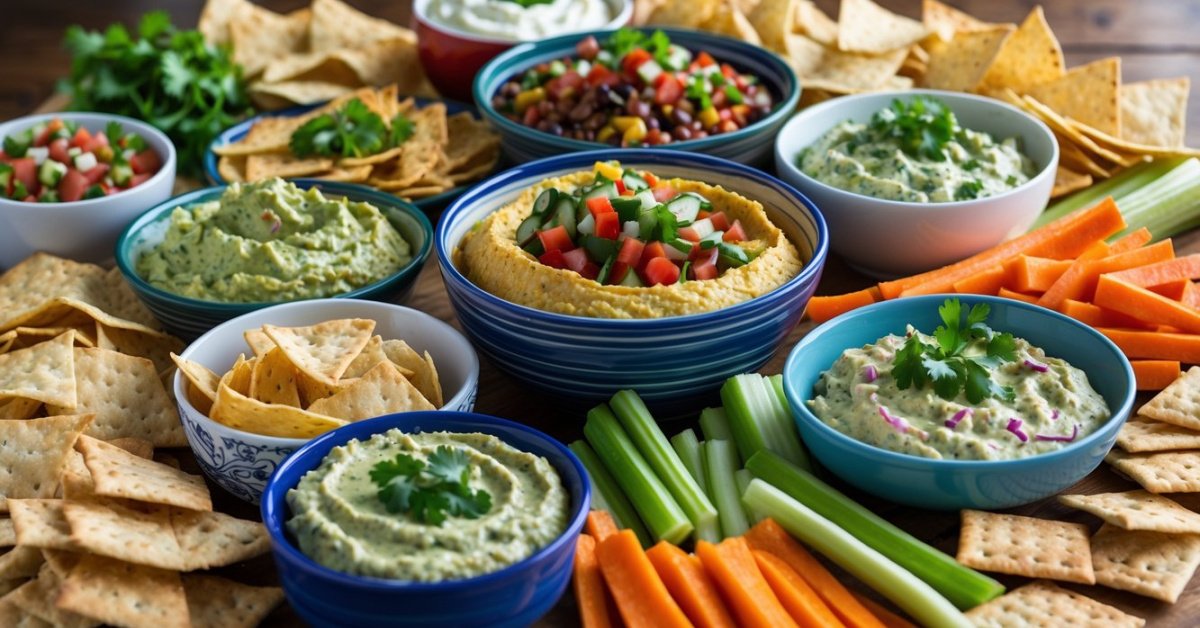
Whenever I think about comfort food with a twist, baba ganoush instantly comes to mind. This smoky eggplant dip from the Middle East has a way of turning the simplest gathering into something special. Its creamy texture and rich flavors always make me want to dip just one more piece of pita.
I love how baba ganoush brings people together around the table. It’s a dish that feels both familiar and exotic at the same time. Whether I’m serving it as an appetizer or a snack, it never fails to spark conversation and curiosity about its origins and ingredients.
What Is Middle Eastern Baba Ganoush?
Baba ganoush is a creamy eggplant dip from the Middle East, known for its bold smoky flavor. I make mine by roasting whole eggplants over an open flame till the skin’s charred and the insides get smooth and soft. After peeling the eggplants, I mash ’em up with tahini (that’s sesame seed paste), fresh lemon juice, garlic, and a good pinch of salt. Some folks drizzle in olive oil or toss in smoked paprika or cumin, depending on how they like their dips to taste.
Traditionally, folks scoop baba ganoush with pita bread or fresh veggies. At my old dip company, I served it at tastings with sliced radishes, carrots, and cucumber sticks so folks could savor its earthy, tangy kick. Baba ganoush stands out from hummus (that’s the chickpea dip) with its silky texture and the deep, roasted flavor only eggplant can give.
Middle Eastern countries—like Lebanon, Syria, and Jordan—use baba ganoush as part of a mezze spread. Mezze means small plates, and baba ganoush always happens to disappear first when I set out a tray. If you’re pickin’ a starter that’s crowd-pleasin’ and a little bit mysterious, baba ganoush hits that sweet spot every time.
Key Ingredients and Flavor Profile
Middle Eastern baba ganoush always grabs folks’ attention at my table, and that’s not just because of its smoky look. In my years running a dip company, I learned that the right ingredients and flavors make all the difference in turning eggplant into a crowd-favorite dip.
Essential Ingredients
Every classic baba ganoush starts with whole eggplants, which I roast over an open flame until the skins turn black and the flesh goes soft. Tahini, a creamy paste made from ground sesame seeds, adds richness next—don’t skip it. Fresh lemon juice gives the dip a bright, tangy kick, and garlic (I use just enough to notice but not overpower) brings a warm bite. Kosher salt ties it all together. For variations, some folks drizzle in olive oil, toss in a bit of smoked paprika, or sprinkle chopped parsley on top. In my Alabama kitchen, I always stick with top-quality, fresh stuff—makes a world of difference in the final taste.
Taste and Texture
Baba ganoush brings a deep, smoky flavor right up front, thanks to that roasted eggplant. The tahini smooths things out, letting the lemon and garlic shine through just enough. The whole thing’s creamy, a little airy, and never heavy—way more silky than most dips. When I drag a pita wedge through my bowl of baba ganoush, I pick up velvet texture with a hint of earthy char, and the aftertaste lingers long enough to keep folks reaching back for more.
Traditional Preparation Method
Every time I make Middle Eastern baba ganoush, I stick to the old way that brings out its smoky depth and creamy bite. Folks always ask for my secrets, so here’s how I go about making this crowd-favorite dip from scratch.
Roasting the Eggplants
Fire-roasting makes all the difference in classic baba ganoush. I pick large, glossy eggplants, set ’em right on a grill or gas flame, and turn ’em with tongs every couple of minutes. Skin starts to blister and blacken, which means those smoky flavors build up fast. After about 15-20 minutes, flesh turns super-soft. I let ’em cool a bit, then split ’em open and scoop the insides right into a bowl, tossing the charred skins. This process gives baba ganoush its signature taste you can’t get from baking or boiling.
Mixing and Serving
Traditional mixing keeps the flavors pure. Once I’ve got my roasted pulp, I mash by hand, never a blender, to keep that tender, silky texture. I fold in tahini, fresh lemon juice, a little minced garlic, and a pinch of salt. Sometimes I drizzle in olive oil or sprinkle smoked paprika, but I stick to the basics when I want a real, Middle Eastern vibe. When it’s all blended but still rustic, I spoon it into a shallow bowl, drizzle more olive oil, and finish with fresh parsley or sumac. Folks tear off warm pita or dig in with crisp veggies—no spoon needed. That first smoky, creamy bite always gets the table talking.
Variations Across the Middle East
Middle Eastern baba ganoush shows plenty of personality depending on where you try it. Folks across the region mix things up, hoping for a dip that stands out at every table.
Regional Twists
Ingredients in baba ganoush recipes across the Middle East aren’t always the same, with each country putting its own stamp on the dish.
- Lebanese kitchens add lots of tahini and lemon, making the dip extra creamy—think a big dollop of flavor.
- Turkish versions, called patlıcan salatası, drop the tahini and bring in olive oil and yogurt for a lighter feel.
- Syrian cooks sometimes blend in pomegranate molasses and sprinklings of parsley so you get brightness in every bite.
- Israeli spreads may include chopped tomatoes, onions, and a touch of cumin, giving the dish extra heft and spice.
Modern Adaptations
Home cooks and restaurant chefs both experiment with baba ganoush, aiming for a dip that catches attention at any gathering.
- Some swap traditional eggplants for roasted red peppers or zucchini, offering fresh takes on that smoky flavor.
- Folks in big cities might blend in Greek yogurt, so the dip comes out tangier and smoother.
- I’ve tried smoked paprika, chili oil, or crumbled feta on top, all turning out to be big crowd-pleasers at dip tastings.
- Global grocers sell ready-made baba ganoush with added herbs or extra garlic, letting newcomers explore new twists without much fuss.
Middle Eastern baba ganoush always leaves room for tinkering, no matter where I make it. Each version keeps that fire-roasted eggplant at its heart, pulling in everything from childhood memories to the latest trends.
How Middle Eastern Baba Ganoush Compares to Similar Dishes
Middle Eastern baba ganoush stands in a league of its own when you stack it up against other famous dips. Folks ask me all the time how it’s different from hummus or mutabbal, so let’s break it down.
Baba Ganoush vs. Hummus
Baba ganoush and hummus both find a place on just about any good Middle Eastern mezze table, but they start from different places. Baba ganoush gets its signature from fire-roasted eggplant—think smoky, soft, and rich. Hummus comes from blended chickpeas—creamy, earthy, and just a hint nutty. Baba ganoush leans heavy on the tahini, lemon juice, and sometimes a little garlic or olive oil. Hummus sticks to tahini, lemon, lots of garlic, and cumin for depth. Texture sets them apart too: baba ganoush stays lighter and silkier, while hummus feels dense and whipped. If someone put a bowl of each in front of me, I’d reach straight for that smoky baba ganoush every single time.
| Dip | Base Ingredient | Signature Flavor | Texture | Typical Additions |
|---|---|---|---|---|
| Baba Ganoush | Eggplant | Smoky, tangy, rich | Creamy, airy | Tahini, lemon, garlic |
| Hummus | Chickpeas | Earthy, nutty, bold | Dense, smooth | Tahini, lemon, cumin |
Baba Ganoush vs. Mutabbal
Baba ganoush and mutabbal confuse a lot of dip lovers. In Alabama, most folks’ve never even heard of mutabbal, so let me explain how it plays out. Both dips put roasted eggplant front and center, but mutabbal always piles on plenty of tahini, more garlic, and more lemon juice. The result? Mutabbal tastes creamier and packs a bolder punch, a little more intense than baba ganoush. Baba ganoush leans rustic and lighter, sometimes with chopped veggies or even a drizzle of pomegranate molasses. Mutabbal goes full-on smooth and tangy, ideal for folks who like their dips big on flavor. I keep both on the table, but if smoky and subtle’s your thing, baba ganoush takes the trophy.
| Dip | Eggplant | Tahini Content | Texture | Notable Additions |
|---|---|---|---|---|
| Baba Ganoush | Roasted | Moderate | Chunky-Creamy | Lemon, optional spices |
| Mutabbal | Roasted | High | Smooth-Creamy | Garlic, lemon, sometimes yogurt |
Serving Suggestions and Pairings
Folks round here always ask me how to serve up baba ganoush at a party, so I’ve tried just about everything on a platter. I like starting with warm, pillowy pita bread slices stacked in a basket—nothing scoops up creamy eggplant dip like classic white or whole wheat pita, fresh from the oven or skillet. For a gluten-free crowd, I recommend thick-cut cucumber spears, sliced radishes, or sweet bell pepper strips—those hold up best for dunking.
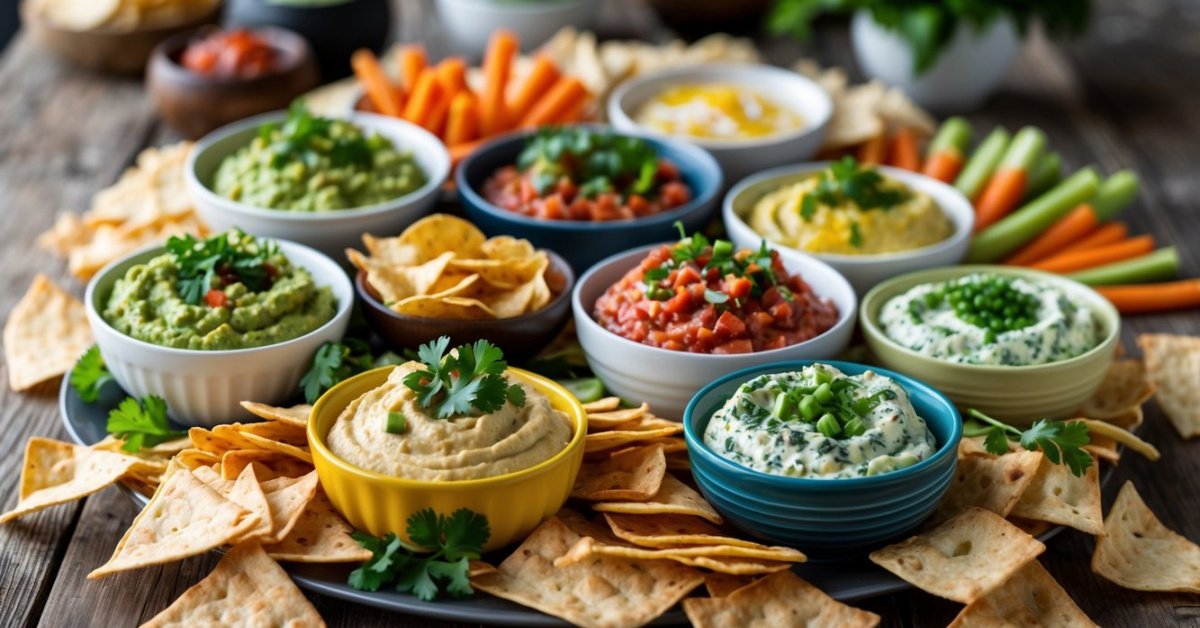
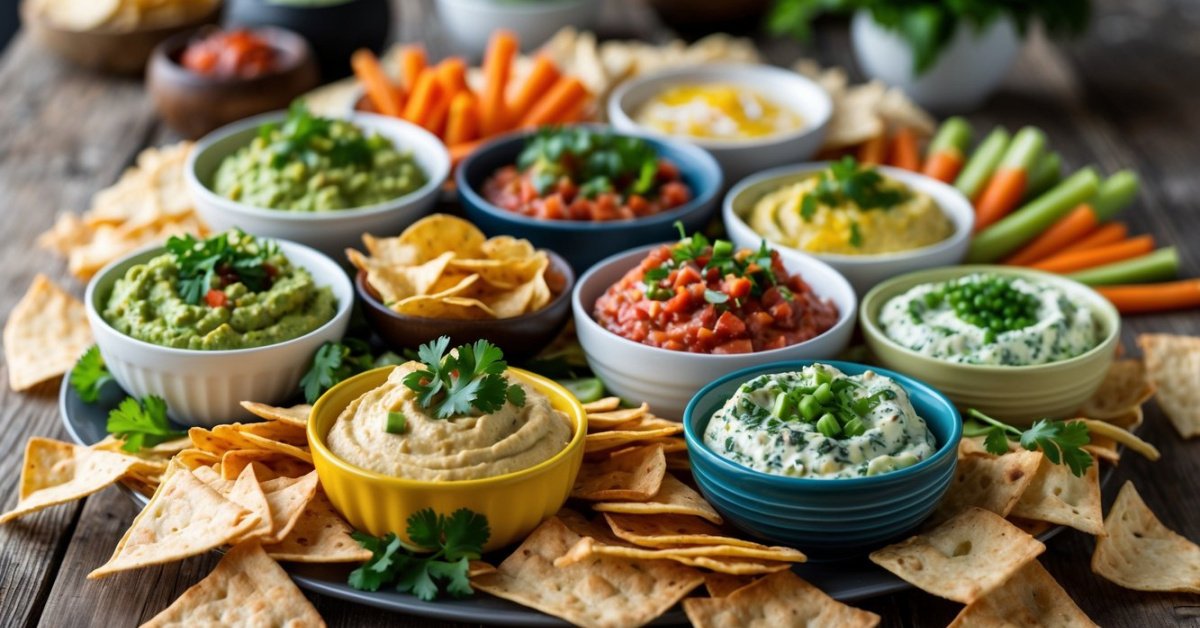
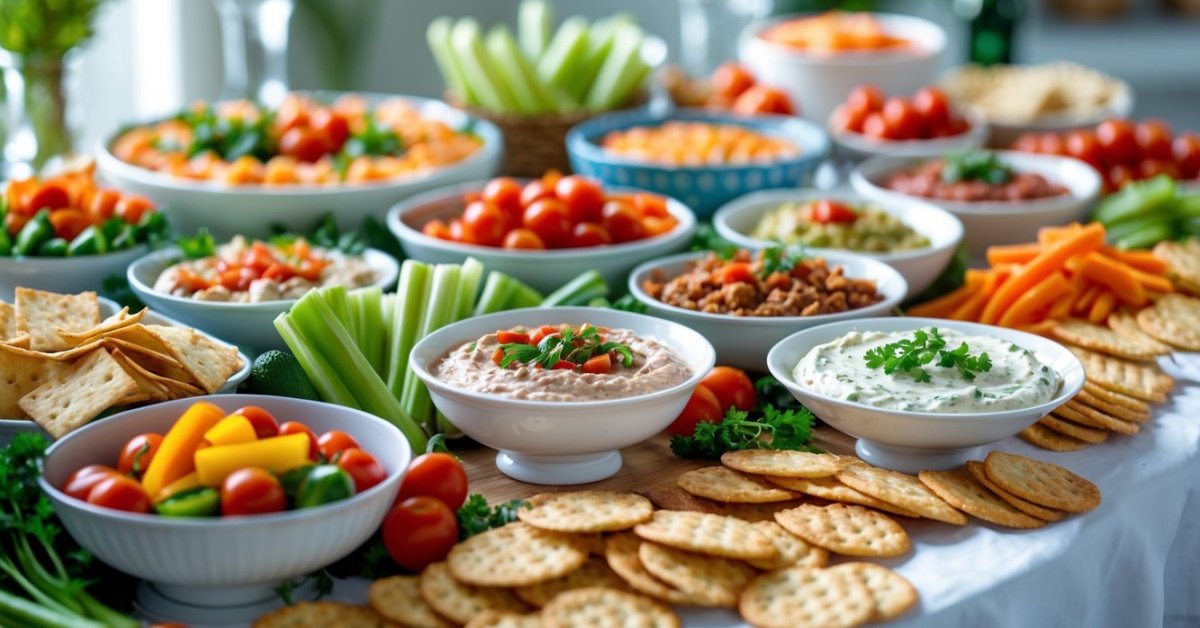
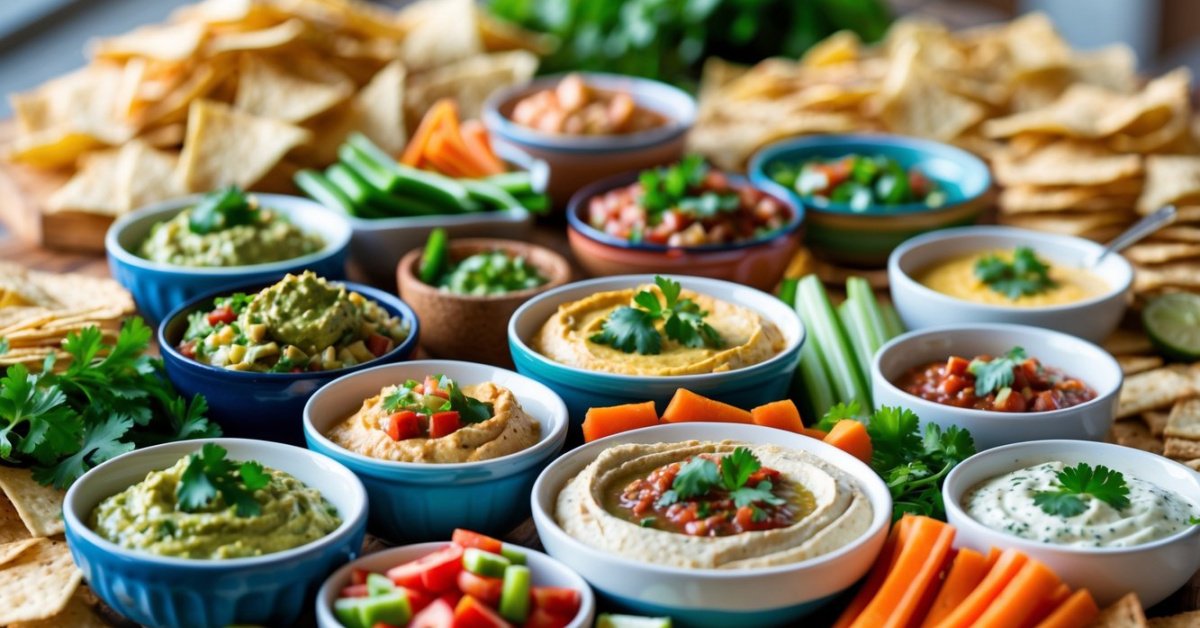
I’ve found baba ganoush shines on a big mezze spread alongside things like hummus, tabbouleh, stuffed grape leaves, and olives—makes for a full Middle Eastern experience on one table. Pile together small bowls and let people graze all evening. I get a lot of smiles when I bring out za’atar pita chips or toasted flatbread shards sprinkled with sea salt, so I never leave those out.
For fusion fans, I’ll smear baba ganoush over grilled chicken, lamb kebabs, or even smoked pulled pork sliders (a nod to my Alabama roots). It’s also good dolloped onto a grain bowl with quinoa, roasted chickpeas, and chopped veggies, or used instead of mayo on a turkey sandwich—folks are always surprised, in a good way.
When I make a batch for family brunch, I serve it with deviled eggs, feta, and tomato wedges for easy appetizers. I top the bowl with a trickle of olive oil, chopped parsley, and sumac if I have it handy—adds color and a citrusy punch.
Here’s a quick pairing table for inspiration:
| Serving Idea | Notes |
|---|---|
| Pita bread | Fresh, warm, sliced wedges |
| Veggie dippers | Cucumber spears, sweet bell pepper, radish rounds |
| Mezze platter | With hummus, olives, grape leaves, tabbouleh |
| Pita chips | Homemade or store-bought, sprinkle with za’atar |
| Grilled meats | Chicken, lamb, or pork sliders |
| Grain bowls | Quinoa, chickpeas, veggies, fresh herbs |
| Brunch sides | Deviled eggs, feta, tomatoes |
| Sandwich spread | Use instead of mayo for a smoky twist |
Making delicious baba ganoush is step one—getting creative with pairings brings the real fun to the table, wherever y’all live.
Conclusion
Baba ganoush has always been more than just a dip for me—it’s a conversation starter and a window into Middle Eastern hospitality. I love how it brings people together and sparks curiosity with every smoky bite.
Whether I’m serving it at a casual gathering or experimenting with new toppings in my kitchen, I find that baba ganoush never fails to impress. There’s something special about sharing a dish that’s both comforting and endlessly adaptable.