Whenever I’m craving something creamy and tangy with just the right hint of freshness I reach for labneh. This Lebanese dip has a way of turning simple moments into something special whether I’m spreading it on warm pita or serving it alongside crisp veggies. It’s the kind of dish that makes me feel like I’m sharing a taste of home with friends no matter where I am.
Labneh isn’t just delicious—it’s also incredibly easy to make and customize. With just a few ingredients I can whip up a dip that’s perfect for any gathering or a quiet night in. There’s something about its smooth texture and bright flavor that keeps me coming back for more.
What Is Lebanese Labneh Dip?
Lebanese labneh dip is a thick, creamy spread made from strained yogurt. Folks in Lebanon and all around the Middle East have served it for generations at breakfast tables or as a classic meze, usually with fresh herbs like mint or za’atar. I make mine using plain full-fat yogurt, then strain it through cheesecloth overnight—that step turns regular yogurt into labneh with a tangy bite and a smooth feel like cream cheese.
People often drizzle labneh with olive oil and dust on spices before scooping with pita or crunchy veggies. Even after years of running my own dip company back in Alabama, I keep extra labneh in the fridge since it beats many store-bought dips in both taste and texture. Labneh stands out ‘cause it’s naturally low in lactose and high in protein, landing somewhere in-between Greek yogurt and soft cheese. When I set labneh out, it disappears fast—whether I’m sharing it at holiday gatherings or bringing a little something extra to weeknight suppers.
Traditional Ingredients and Preparation
Labneh dip, just like my family’s favorite snacks, comes together with a handful of wholesome, real-deal ingredients. I use classic methods that keep the flavors true and the results mighty creamy.
Key Ingredients
- Plain Full-Fat Yogurt: I get the best, thickest results using full-fat cow’s milk yogurt. Greek yogurt works too, but the old-school Lebanese stuff gives that authentic tang and silkiness.
- Fine Sea Salt: I stir in a small pinch—about 1/4 teaspoon for every cup of yogurt—to bring out the yogurt’s brightness without overpowering the dip.
- Extra Virgin Olive Oil: I always finish my labneh with a good pour of fruity Lebanese olive oil, right on top for that glossy flavor boost.
- Za’atar or Dried Mint: I sprinkle a little za’atar or dried mint for a hit of herbal freshness, just like the spreads in Beirut markets.
- Optional Add-Ons: Folks sometimes toss in sumac, crushed garlic, or roasted pine nuts, especially when serving labneh at a big Southern-style gathering.
Classic Preparation Method
I make labneh by straining yogurt with salt in cheesecloth. I scoop the salted yogurt into a double layer of cheesecloth, then tie it up nice and snug so it won’t drip all over the fridge. I hang it or let it sit in a colander over a bowl for 18–24 hours, ‘til it’s thick and spreadable. The longer it strains, the tangier and thicker it gets—just right for hearty dipping.
Once it’s ready, I tumble the labneh out onto a plate, swirl it with the back of a spoon, and finish it with a drizzle of olive oil and a dusting of za’atar or mint. That’s how I do it in my kitchen, every time—straightforward, big on flavor, and always ready for dipping.
Taste and Texture Profile
Labneh’s taste always grabs folks right from the first bite. It’s got a mellow tang that hits somewhere between Greek yogurt and fresh goat cheese. When I scoop labneh, I notice a gentle acidity, kind of like lemon, but not sharp. That’s what makes this Lebanese dip so fresh tasting every single time, whether I’m dunking crunchy carrots or tearing into warm pita.
The texture stands out in any dip lineup. Labneh’s thick—think cream cheese, but silkier and way lighter on your tongue. When I ran my dip company, folks always commented on labneh’s way of clinging to chips and veggies without feeling heavy. Creaminess runs through every batch because strained yogurt makes each bite smooth and easy to spread. If you blend in olive oil or sprinkle on za’atar, you end up with an even more luscious mouthfeel.
Every homemade batch keeps its body. Most other dips can get runny, but labneh holds shape, even under a pile of roasted pine nuts or minced fresh mint. That sturdy-but-soft bite is why labneh works just perfect as both a spread and a dip.
Serving Suggestions and Pairings
This Lebanese labneh dip lines up with just about anything I’d put out for company or snack on myself. Folks like a creamy, tangy dip that’s thick enough for scooping but smooth enough for spreading.
Popular Accompaniments
- Pita Bread
Warm pita bread slices or triangles work best for scooping labneh. I like to serve either fresh-baked or lightly toasted, still soft in the center.
- Fresh Vegetables
Crisp veggies like cucumber rounds, carrot sticks, and bell pepper strips give labneh a cool crunch. I’ll put out radishes or cherry tomatoes too when I’ve got ‘em.
- Olives and Pickles
Briny green olives, Kalamata olives, or Lebanese-style pickles hit just right beside labneh’s tang.
- Herbs and Spices
Sprigs of mint, cilantro, or parsley bring color, and a dusting of za’atar or sumac over the top wakes up the whole spread.
- Flatbreads and Crackers
Lavash and water crackers hold up to thick labneh without crumbling. Folks in my house jump for seeded crackers with this dip.
Unique Ways to Serve Labneh Dip
- Sandwich Spread
I use labneh instead of mayo on grilled veggie or roast chicken sandwiches. It gives every bite extra creaminess and pairs up nice with tomatoes.
- Breakfast Upgrade
A big dollop on a plate with poached eggs, roasted tomatoes, or sautéed greens sets up a savory breakfast. Drizzle with olive oil for a true Lebanese-style start.
- Topping for Roasted Veggies
Roast carrots, eggplants, or potatoes, then spoon labneh on while veggies are hot. Sprinkle roasted pine nuts or pomegranate seeds for extra flavor.
- Party Platter Centerpiece
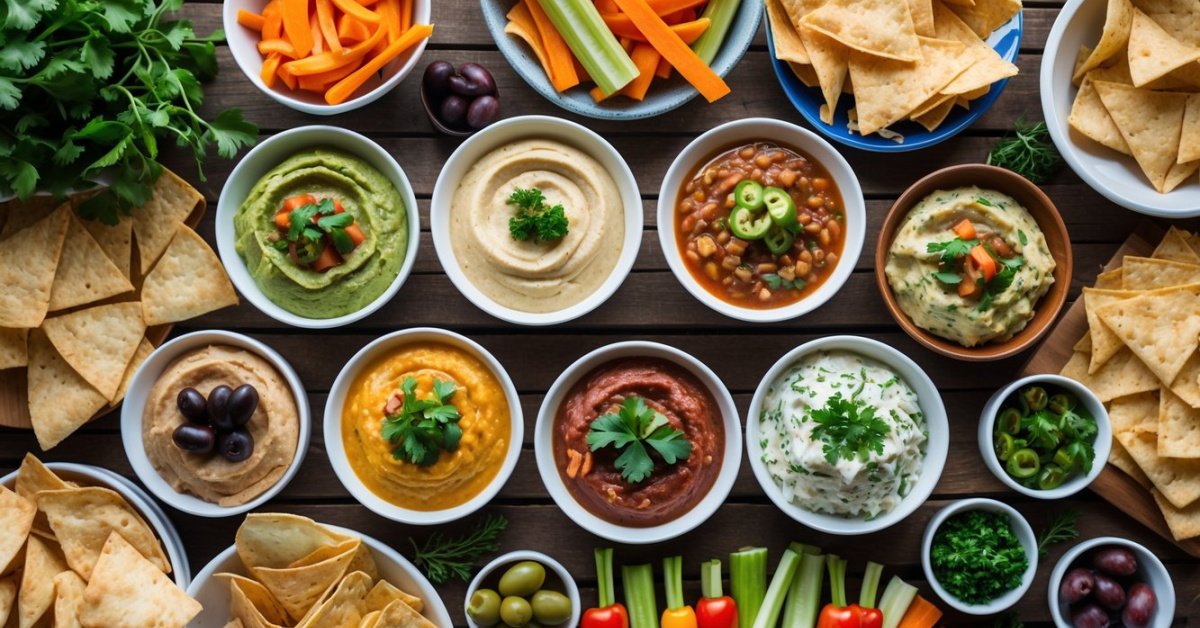
I swirl labneh in a wide bowl, drizzle with great olive oil, and scatter herbs and spices right down the middle. Arrange warm pitas and veggie sticks around and watch it disappear.
- Protein Bowl Accent
Grain bowls with quinoa or rice get an upgrade with a thick spoonful of labneh. I add grilled meats, chopped cucumber, and toasted seeds for a filling meal.
Labneh fits right in with classic dips but brings its own spin to the table, whether I’m feeding a crowd or just making a snack for myself.
Health Benefits of Labneh
Let me tell you about labneh’s good-for-you side, because after years of mixing up dips, I’ve seen how a solid recipe like this does more than just taste right.
- Protein content stays high in homemade Lebanese labneh dip, since strained yogurt packs about 9–10 grams per 100 grams. I always reach for it when I want a dip that fills me up, not out.
- Probiotics live strong in labneh when you use real yogurt. Those helpful bacteria keep my gut in shape, which matters any time I’m testing new recipes back-to-back.
- Lactose content drops down low compared to regular yogurt, so labneh sits easier on my stomach and my friends who don’t always do well with dairy can dip in, too.
- Calcium levels stay solid, clocking in around 120 mg for every two-tablespoon scoop. I call that bone-boosting dip power.
- Fats balance out well in full-fat yogurt labneh, with roughly 6–7 grams per serving. That creaminess carries flavor but never leaves me feeling heavy like rich cheese dips sometimes do.
Here’s a breakdown I keep handy when talking labneh’s nutrition at my old dip shop:
| Nutrient | Per 100g | Notes |
|---|---|---|
| Protein | 9–10g | Filling and muscle-friendly |
| Calcium | 120mg | Helpful for bones and teeth |
| Total fat | 6–7g | Creamy but not greasy |
| Probiotics | present | Supports digestion |
| Lactose | lower | Easier on sensitive folks |
When I grab labneh, I’m getting a classic Lebanese dip that’s tasty and nourishing. It’s the kind of recipe I share with my neighbors when they want something better than store-bought ranch or cheesy spreads—packed with flavor, simple ingredients, and plenty of benefits baked right in.
Where to Buy or How to Make at Home
Finding Lebanese labneh dip’s easier these days than it used to be. I get mine at Middle Eastern grocers around Birmingham, and some bigger grocery stores like Whole Foods or Sprouts carry it in the dairy case. You’ll want to look for tubs labeled “labneh” or “strained yogurt cheese,” and check the ingredients—good ones use just yogurt, salt, and maybe some cultures. Some brands I’ve seen that taste right to me are Karoun, Alwadi, and Cedar.
Making labneh at home’s something I tell folks makes all the difference if you like fresh dips. I start with 32 ounces of plain full-fat yogurt—Greek works if you can’t find anything else, but go for plain “Bulgarian” or Lebanese yogurt when you can. I add about half a teaspoon of fine sea salt, stir it in, then spoon all that yogurt into a cheesecloth-lined strainer set over a bowl. Twist the cheesecloth, tie it off, and let it strain overnight in the fridge, about 18–24 hours. The longer it sits, the thicker it gets. By morning, the whey drains out and what’s left is that classic creamy, tangy labneh I use for dipping everything from baby carrots to homemade pita chips.
If you live in a spot where finding specialty yogurt’s tricky, you can still pull off homemade labneh with any quality plain whole-milk yogurt. Just be sure to keep it cold while it strains, and use non-reactive bowls—glass or stainless steel work best. I always top the finished dip with a slick of good olive oil and a pinch of za’atar or fresh mint. That’s as close to Beirut as my Alabama kitchen gets on a Thursday afternoon.
Conclusion
Whenever I set out a bowl of labneh at the table it never lasts long. There’s just something irresistible about its creamy tang and the way it brings people together. Whether I’m prepping for a party or just craving a simple snack labneh always feels like the right choice.
If you haven’t tried making it at home yet I can’t recommend it enough. It’s a small effort for such a rewarding dip and there’s plenty of room to make it your own. Give it a try and let your taste buds travel straight to Lebanon—no passport required.